This article was originally written as a paid partnership with Canadian Food Focus and appeared on their website.
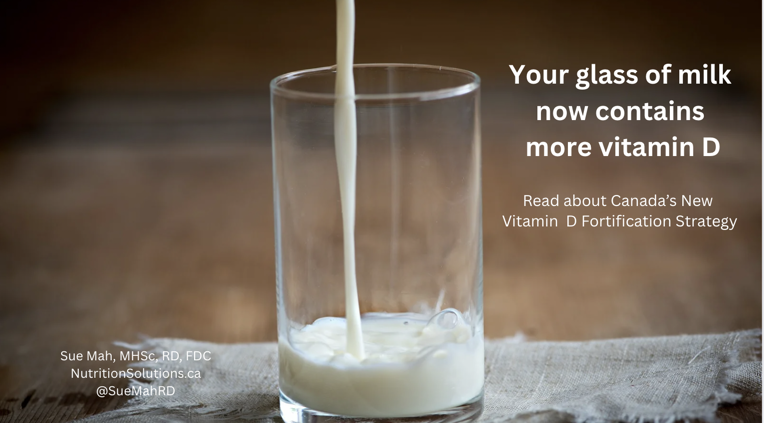
Did you know that the amount of vitamin D added to some foods is changing?
Vitamin D is one of the key nutrients for bone health. We need between 15-20 micrograms (600-800 IU) of vitamin D every day. Yet, according to Health Canada, 1 in 5 of us aren’t getting enough vitamin D.[1] To help prevent deficiency, Health Canada published new regulations for vitamin D fortification in foods. These new regulations increase the amount of vitamin D that can be added to foods.
What is Fortification
Fortification is a process by which vitamins, minerals and / or amino acids are added to foods.[2] This helps consumers get sufficient, but not too much of certain nutrients in their diets. The Food and Drugs Regulations outline which foods are required or allowed to be fortified. In Canada, we have mandatory fortification and voluntary fortification.
- Mandatory fortification: For some foods, fortification is mandatory and the foods cannot be sold unless they contain specific amounts of certain vitamins, minerals and / or amino acids. For example, cow’s milk has been mandatory fortified with vitamin D since 1975 as a strategy to prevent rickets.[3]
- Voluntary fortification: For other selected foods, such as goat’s milk and yogurt, fortification is voluntary. Food companies can choose to add approved vitamins / minerals and / or amino acids to these products. If so, only specific amounts can be added.
New Fortification Rules for Vitamin D
The Food and Drugs Regulations were amended in 2022 to change the amounts of vitamin D added to foods. The amount of vitamin D that must now be added to cow’s milk and margarine is almost double the previous allowed amount. Food companies must make these changes by December 31, 2025.
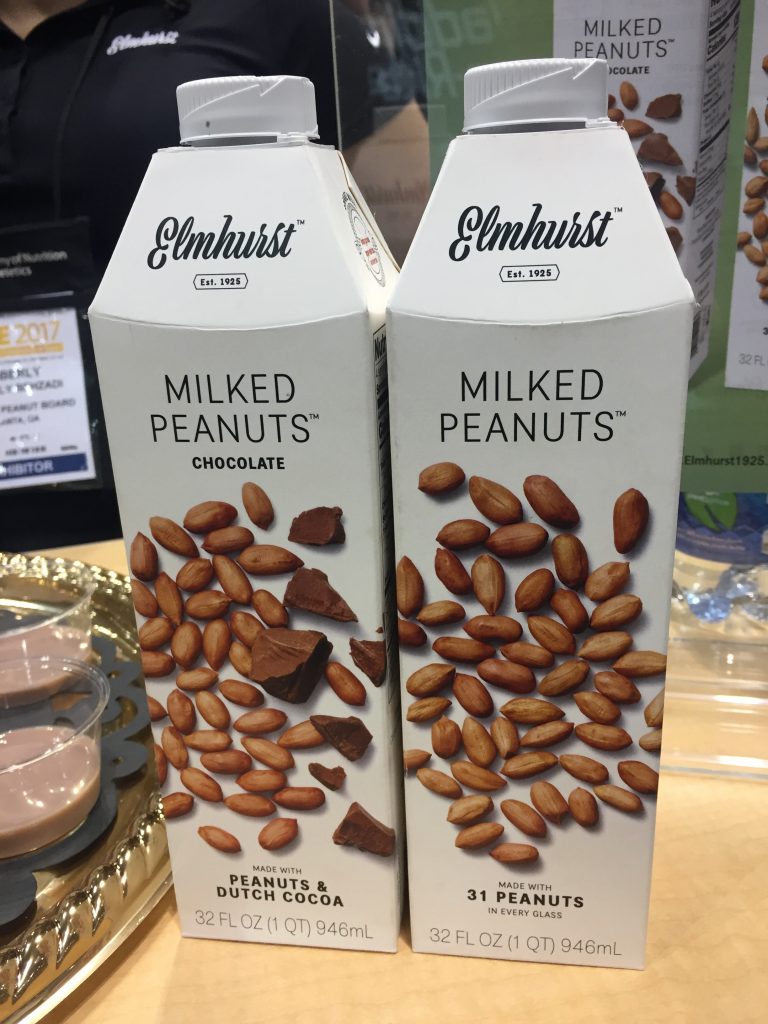
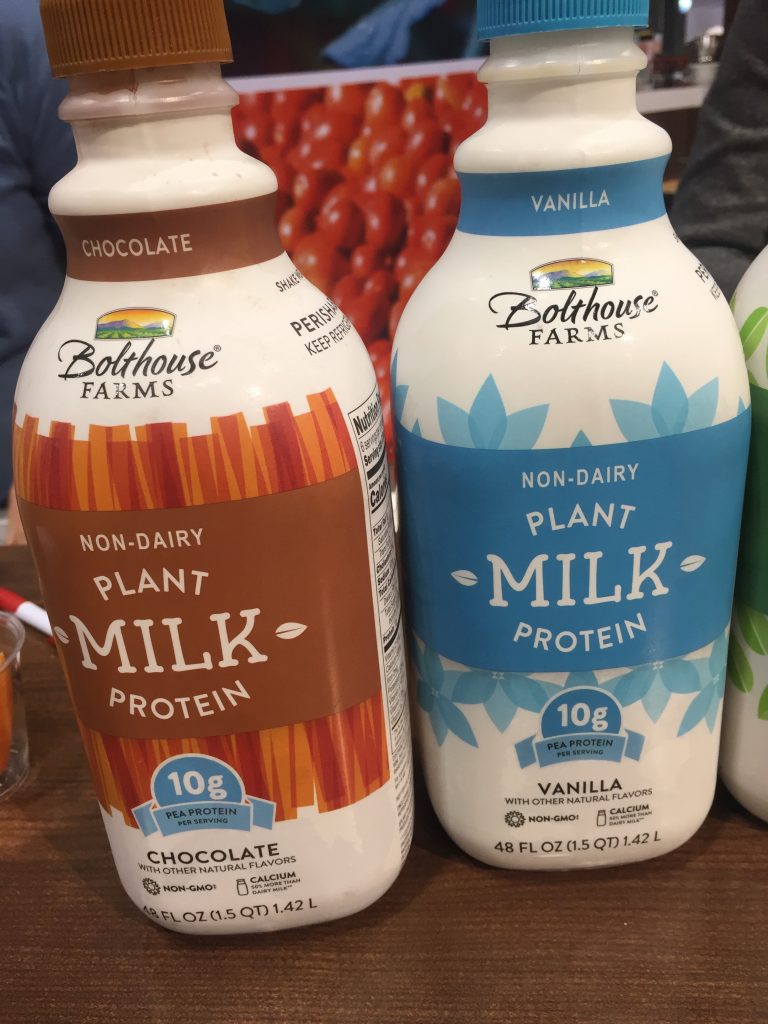
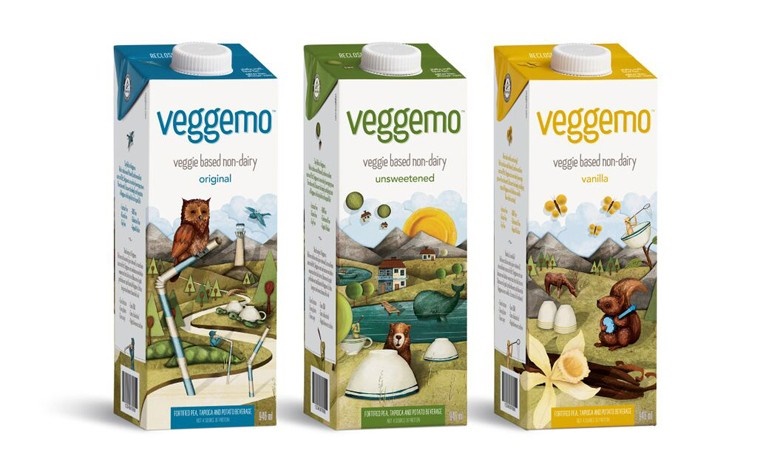
Goat’s milk and fortified plant-based beverages are often consumed as alternatives to cow’s milk. For this reason, the amount of vitamin D added to these beverages is allowed to be the same amount as that added to cow’s milk. Vitamin D fortification is still voluntary for goat’s milk and fortified plant-based beverages.
Few foods contain vitamin D, so Health Canada has expanded the list of foods which can be voluntarily fortified with vitamin D. Since June 2024, yogurt, yogurt drinks and kefir made from dairy can be fortified with vitamin D in different amounts.
See below for the amount of vitamin D fortification allowed in different foods and beverages.
Amount of Vitamin D Fortification in Foods and Beverages
Cow’s milk: 2 ug per 100 mL (which is 5 ug per 250 mL or 1 cup)
Goat’s milk: 2 ug per 100 mL (which is 6 ug per 250 mL or 1 cup)
Plant-based, fortified beverages: 2 ug per 100 mL (which is 5 ug per 250 mL or 1 cup)
Yogurt, made from dairy, plain: 5 ug per 100 g
Yogurt, made from dairy, fruit or flavoured: 3.8 to 5 ug per 100 g
Yogurt drinks, made from dairy, plain: 5.2 ug per 100 mL
Yogurt drinks, made from dairy, fruit or flavoured: 3.9 to 5.2 ug per 100 mL
Kefir, made from dairy, plain: 2.7 ug per 100 mL
Kefir, made from dairy, fruit or flavoured: 2.3 to 2.7 ug per 100 mL
Margarine, including calorie-reduced margarine: 26 ug per 100 g
Notes:
- For foods, vitamin D is measured in micrograms (µg). For supplements, vitamin D is measured in International Units (IU).
- 1 µg = 40 IU
What You Can Do
Foods are fortified with vitamin D to help prevent deficiency. Read the information on food labels to check the vitamin D content of foods. Even with more vitamin D in milk and other foods, you may still need to take a supplement. Talk to your health care provider about the amount of vitamin D supplement you may need. For example, if you’re over the age of 50 years, Health Canada recommends taking a vitamin D supplement of 400 IU every day.
References
[1] Health Canada (2025 September 3). Canada’s Vitamin D Fortification Strategy. https://www.canada.ca/en/health-canada/services/fortified-food/canadas-approach.html Sourced 2025 November 24.
[2] Canadian Food Inspection Agency (2025 January 15). Fortification of food. https://inspection.canada.ca/en/food-labels/labelling/industry/fortification Sourced 2025 November 24.
[3] Health Canada (1999) The Addition of Vitamins and Minerals to Foods: Proposed Policy Recommendations. https://publications.gc.ca/Collection/H58-1-2-1999E.pdf Sourced 2025 November 24.