Blog / Recipes

Ask a Dietitian: What is Resistant Starch…and how can it benefit your health?

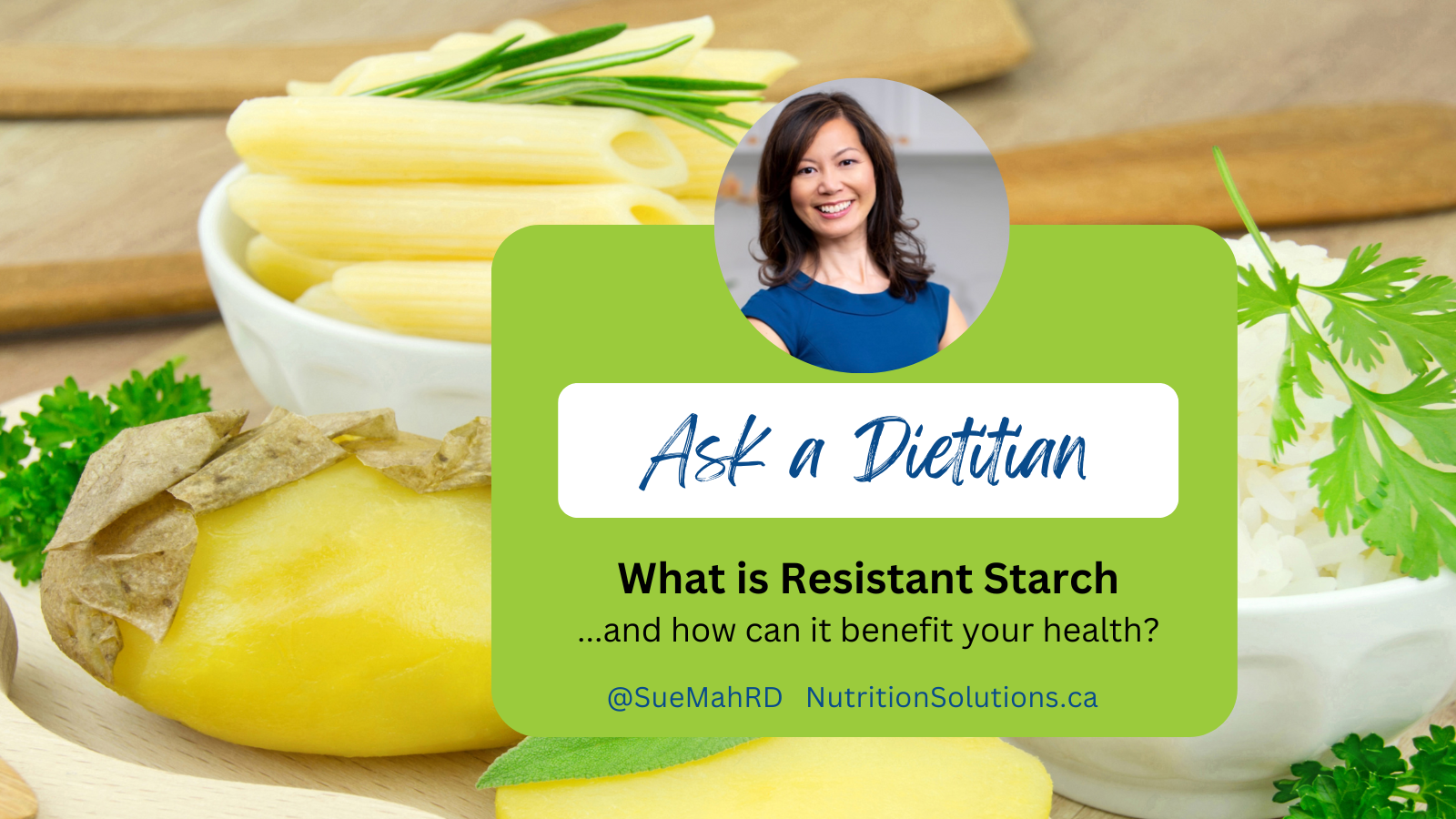
Text on a backdrop image of cooked pasta, cooked potatoes and cooked riceResistant starch is a type of fibre that resists digestion in the small intestine, and it can have health benefits.

One way to create resistant starch is to cook and then cool / refrigerate certain types of carbohydrates, such as potatoes, pasta and rice. This process (called “retrogradation”) changes the structure of some of the original starch to create a resistant starch that doesn’t get digested. The amount of resistant starch doesn’t change significantly when the food is reheated.

Here are a few health benefits of resistant starch:

  • Blood sugar control: Usually, starchy carbohydrates are digested and broken down into glucose which can raise your blood sugar levels. Since resistant starch is not digested, it doesn’t have this effect, so it can be beneficial for controlling your blood sugar levels.
  • Gut health: Resistant starch travels to the large intestine where it acts as food for the good bacteria in our gut. In other words, resistant starch is a prebiotic! When the resistant starch is fermented in the large intestine, it produces beneficial, short chain fatty acids.
  • More gut health: Since resistant starch is fermented slowly in the large intestine, it may cause less gas and bloating than other fibre-rich foods.
  • Satiety: Eating foods with resistant starch can help you feel full for longer.

Here’s what you can do:

  • Pasta: Cook pasta to al dente. Once cooled, store the pasta in the refrigerator. The longer it is refrigerated, the more resistant starch is formed. Eat the pasta cold in a pasta salad like my Caprese Pasta Salad, add to a soup, or reheat the pasta and enjoy it with a sauce. Bonus tip: Cook pasta to al dente – it will have a lower glycemic index than mushy pasta and create a slower rise in your blood sugar levels.
  • Potatoes: Boil, roast or bake the potatoes. When cool, store the potatoes in the refrigerator for at least a few hours, preferably overnight. Eat the potatoes cold in a potato salad or reheat them in your favourite recipe.
  • Rice: Cook rice as you normally would. Allow the rice to cool at room temperature and then refrigerate for at least 12 hours. Use the rice to make Best Shrimp Fried Rice or simply enjoy the reheated rice as a side dish. The amount of resistant starch does not change much after reheating cooked and cooled rice, pasta or potatoes.
 

Best Shrimp Fried Rice


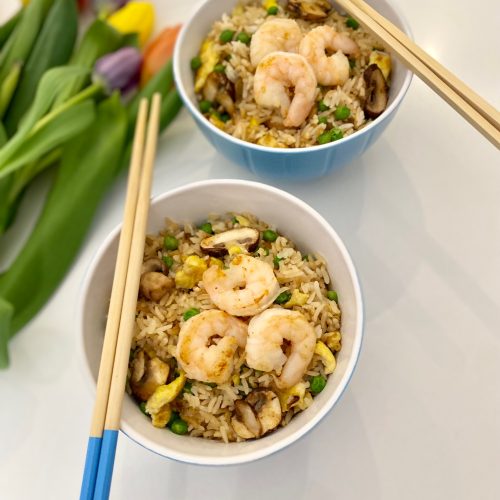
2 bowls of shrimp fried rice

Best Shrimp Fried Rice

The secret to making the best fried rice is to use cold, leftover cooked rice. The grains are drier, giving you just the right texture. (Using freshly cooked rice results in a soggier fried rice!)
Course Dinner, Lunch
Servings 4

Ingredients
  

  • 4 tsp canola oil
  • 1 small onion, chopped
  • 1 cup sliced mushrooms
  • 1 cup frozen green peas, rinsed
  • 2 eggs, slightly beaten
  • 3 cups cold, leftover cooked white or brown rice
  • 2 Tbsp sodium reduced soy sauce
  • 1 cup cooked shriimp

Instructions
 

  • In a large fry pan, heat 2 tsp oil over medium-high heat.
  • Add onions and cook for 1 minute.
  • Add mushrooms and cook for another 2 minutes.
  • Add peas and cook all of these veggies for another minute.
  • Place veggies aside in a bowl while you cook the eggs.
  • Add 2 tsp oil to the pan. Pour in the eggs and scramble to cook. Place cooked eggs aside in the bowl with the veggies.
  • Crumble the leftover rice with your hands and add to the pan. (Add a bit more oil if needed.) Mix until thoroughly heated. Add soy sauce and mix well.
  • Stir in the cooked onions, mushrooms, peas, eggs and shrimp.
Keyword Fried rice, Shrimp fried rice

5 Reasons Why I LOVE Lentils!


1. Lentils are cheap. I paid $2.99 for a big package of dried green lentils which should be enough for at least 10 servings. Costing it out, that’s about 30 cents for a solid serving of protein! Not bad, especially when foods costs are skyrocketing these days.

2. Lentils are nutritious. A 3/4 cup serving of cooked lentils is a substitute for meat, an excellent source of iron and packs in about 25% of my daily quota for fibre.

3. Lentils need no soaking.
Unlike many other dried beans, lentils don’t have to be soaked prior to cooking – a real time saver!

4. Lentils are versatile.
For week 3 of my Pulse Pledge, I made Easy Lentils and Rice. Last week, I used a can of lentils to make an amazing Lentil Shepherd’s Pie.

5. Lentils are delicious. They add texture and soak up any spices or flavours in your recipe. Give these nutritious gems a try!

Easy Lentils and Rice

Makes 4 servings

Ingredients
1 tbsp canola oil
1 onion, chopped
2 cloves garlic, chopped
2 stalks celery, chopped
1 red or orange pepper, diced
1 tsp ground cumin
salt to taste
1 cup dried green or brown lentils
2 cups sodium-reduced chicken or vegetable broth

Directions
1. In a saucepan, heat oil over medium heat. Fry onion, garlic, celery and red pepper for a few minutes. Add cumin and salt. Continue cooking until onions are soft.
2. Stir in the lentils.
3. Add broth and bring to boil.
4. Simmer for about 35-40 minutes until the lentils are tender.
5. Serve over cooked rice, whole grain couscous or quinoa.