Blog / Recipes

Food and Nutrition Trends from FNCE 2017

Sue FNCE sign 1 CROP

We were thrilled to attend the centennial Food & Nutrition Conference & Expo (FNCE) – the world’s largest annual nutrition meeting hosted in Chicago by the Academy of Nutrition and Dietetics! With over 13,000 attendees, FNCE did not disappoint! The Expo trade show featured hundreds of food and nutrition products. Here are the ones that caught our eye!

PREBIOTICS and PROBIOTICS

Gut health is a growing trend! Prebiotics and probiotics work together to keep the gut healthy. Prebiotics are non-digestible carbohydrates that actually act as food for probiotics. Probiotics are healthy bacteria that live in our colon where they help to maintain a balance between the “good” and “bad” bacteria. From crackers to drinks to powders, these innovative products are designed to keep your gut healthy.

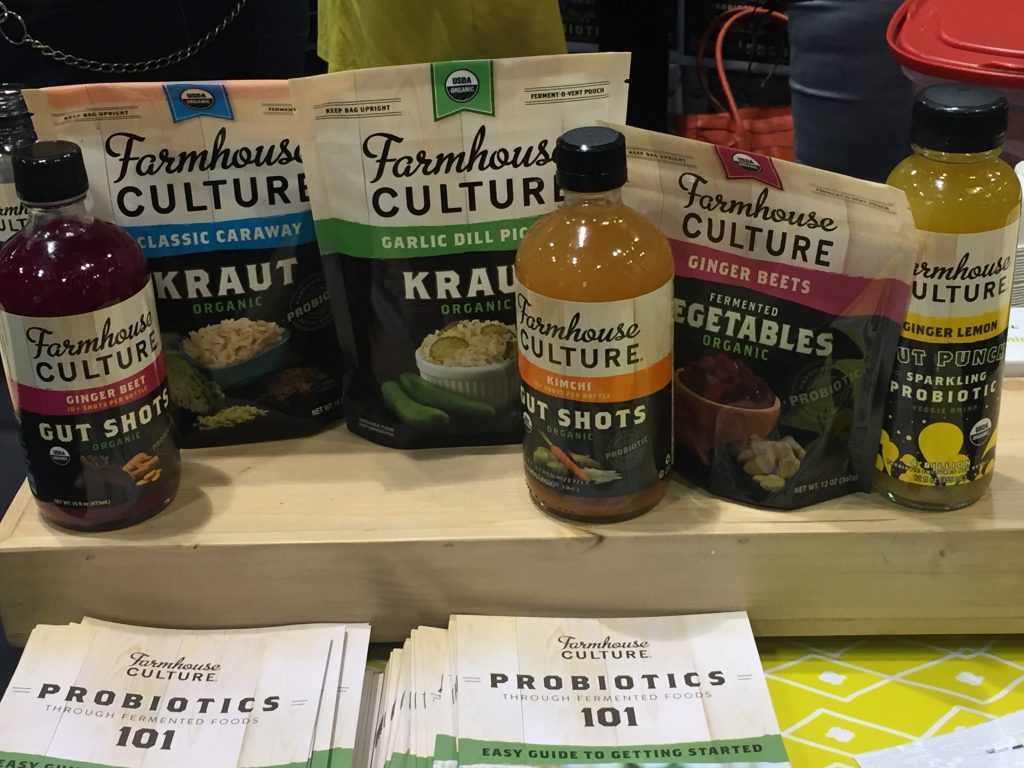
Farmhouse Culture Gut Shots – probiotic beverages and foods made with fermented veggies. Slogan: We’re here to ferment a food revolution!

Farmhouse Culture Gut Shots – probiotic beverages and foods made with fermented veggies. Slogan: We’re here to ferment a food revolution!

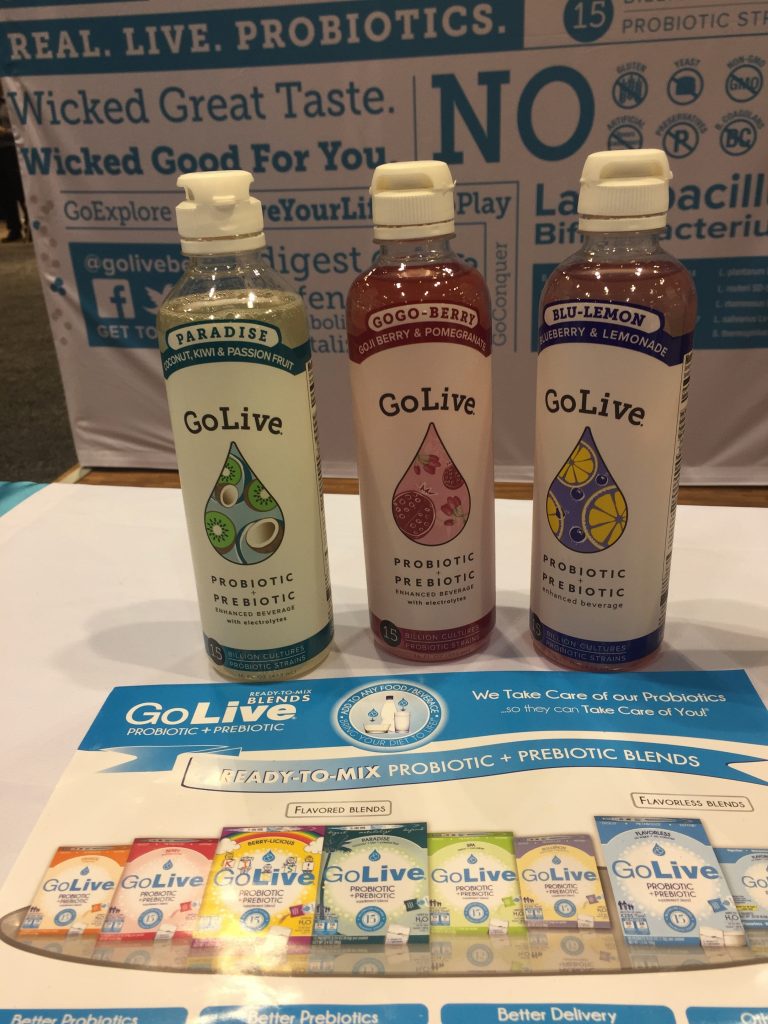
Go Live Probiotic & Prebiotic Beverages – the probiotic is housed in a foil-blister cap which can be added to the beverage when you’re ready to drink. Slogan: Think outside the bottle, look inside the cap!

Go Live Probiotic & Prebiotic Beverages – the probiotic is housed in a foil-blister cap which can be added to the beverage when you’re ready to drink. Slogan: Think outside the bottle, look inside the cap!

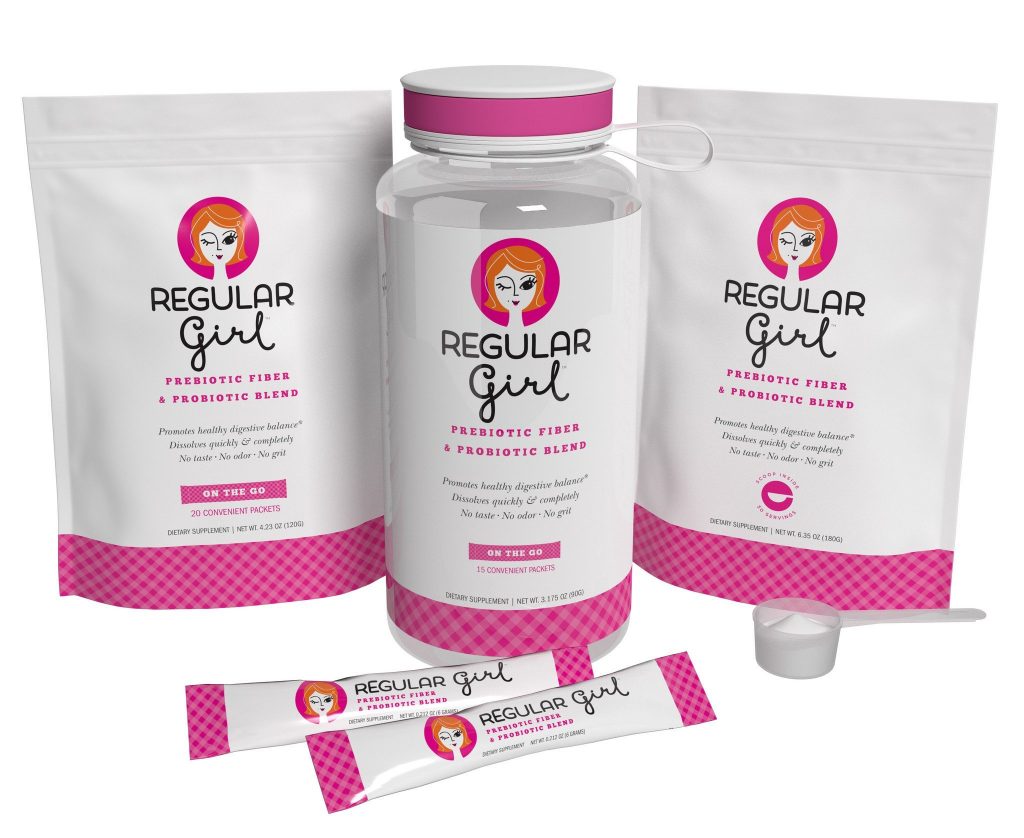
Regular Girl – prebiotic fibre and probiotics for the women whose life is anything but regular. Can be sprinkled on food or in beverages. Slogans: Eat, drink and be regular! You go girl! Déjà poo!

Regular Girl – prebiotic fibre and probiotics for the women whose life is anything but regular. Can be sprinkled on food or in beverages. Slogans: Eat, drink and be regular! You go girl! Déjà poo!

PROTEIN

We’ve been watching the protein trend grow for the past decade now. Featured at the FNCE show were protein packed pancake mixes and protein enhanced beauty products.

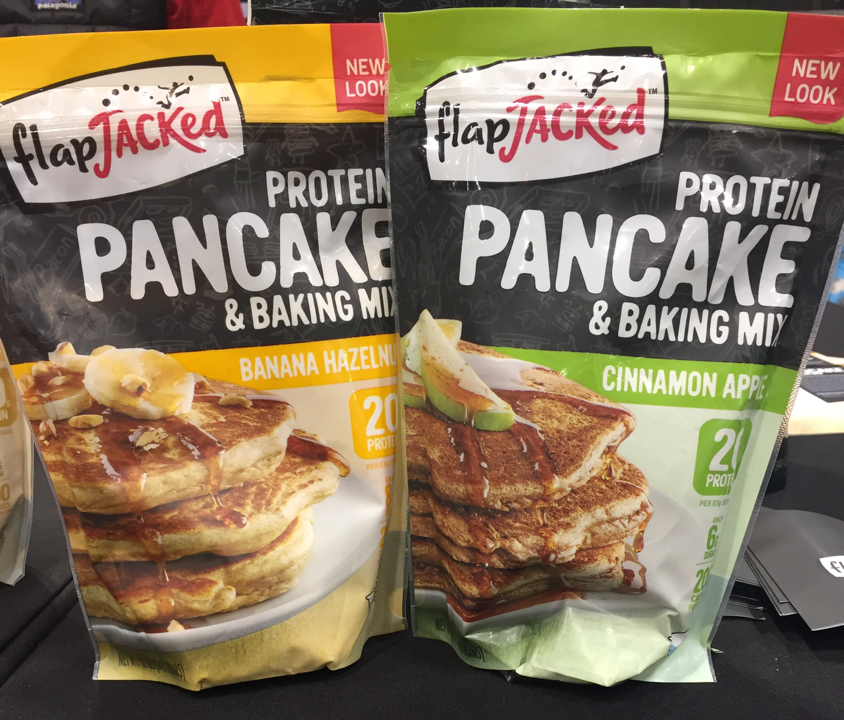
FlapJacked Protein Pancake & Baking Mix – boasting 19 grams of protein per 60 g serving from whey protein isolate and pea protein.

FlapJacked Protein Pancake & Baking Mix – boasting 19 grams of protein per 60 g serving from whey protein isolate and pea protein.

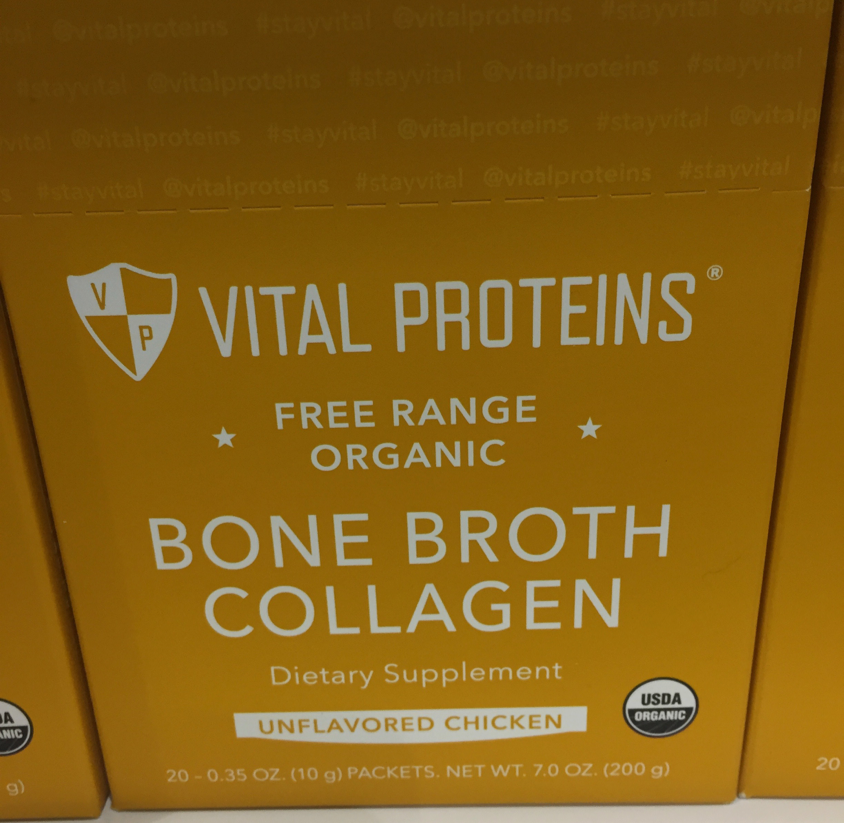
Vital Proteins – from free range bone broth collagen to wild caught marine collagen to collagen beauty water…with the belief that collagen will support bone health, joint health, gut health and a glowing skin, nails and hair.

Vital Proteins – from free range bone broth collagen to wild caught marine collagen to collagen beauty water…with the belief that collagen will support bone health, joint health, gut health and a glowing skin, nails and hair.

PLANT-BASED BEVERAGES

Move over soy, almond and rice. Make way for new plant-based beverages made from nuts and pea protein.

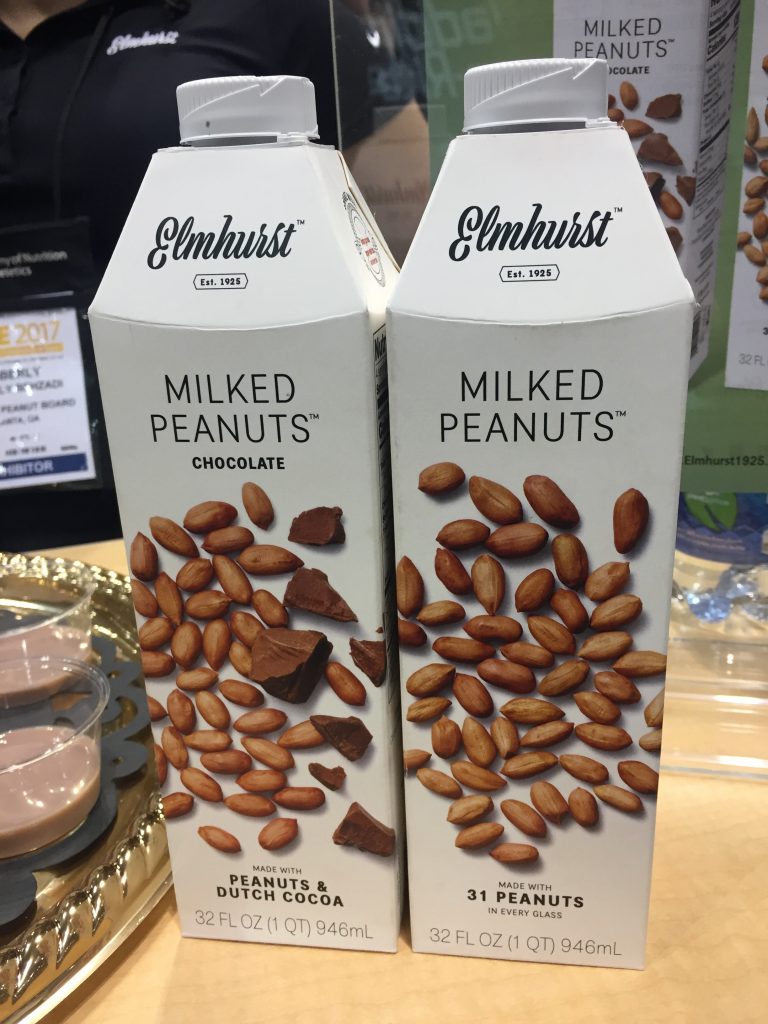
Elmhurst Milked Peanuts – 2 new beverage options: straight up peanuts (made with 21 peanuts) or peanuts plus Dutch cocoa. Contains 8 g of protein per cup however not fortified with either calcium, vitamin D or vitamin B12.

Elmhurst Milked Peanuts – 2 new beverage options: straight up peanuts (made with 31 peanuts) or peanuts plus Dutch cocoa. Contains 8 g of protein per cup however not fortified with either calcium, vitamin D or vitamin B12.

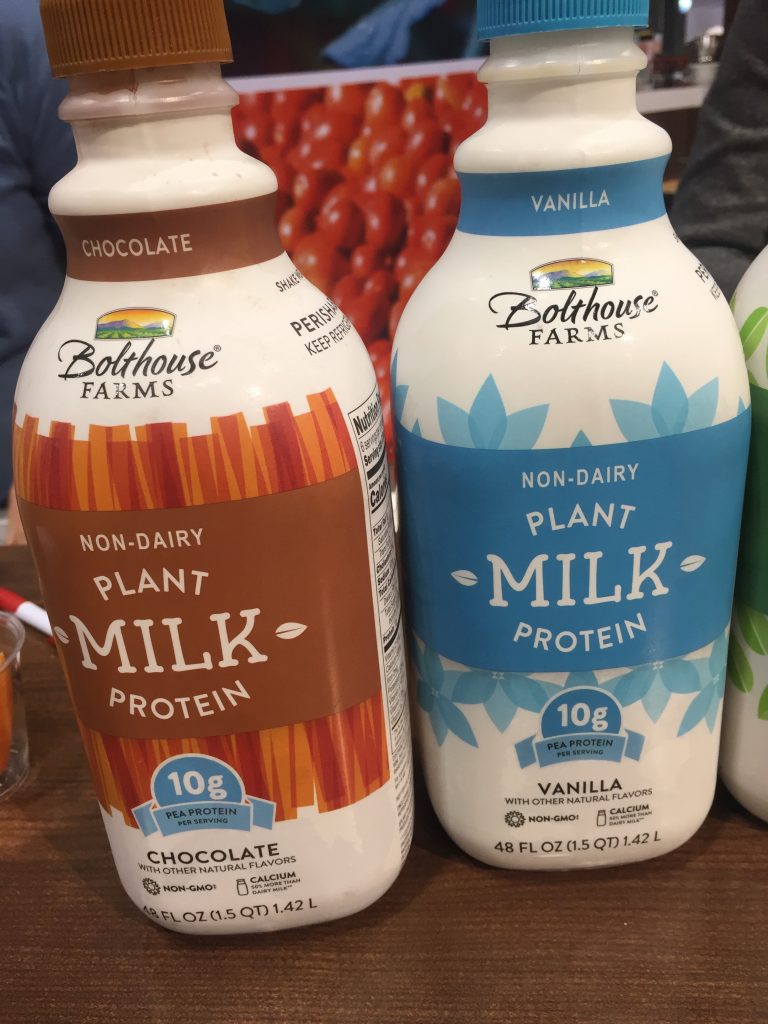
Bolthouse Plant Protein Milk -  made with pea protein, contains 10 g protein per cup and fortified with calcium, vitamin D and vitamin B12.

Bolthouse Plant Protein Milk – made with pea protein, contains 10 g protein per cup and fortified with calcium, vitamin D and vitamin B12.

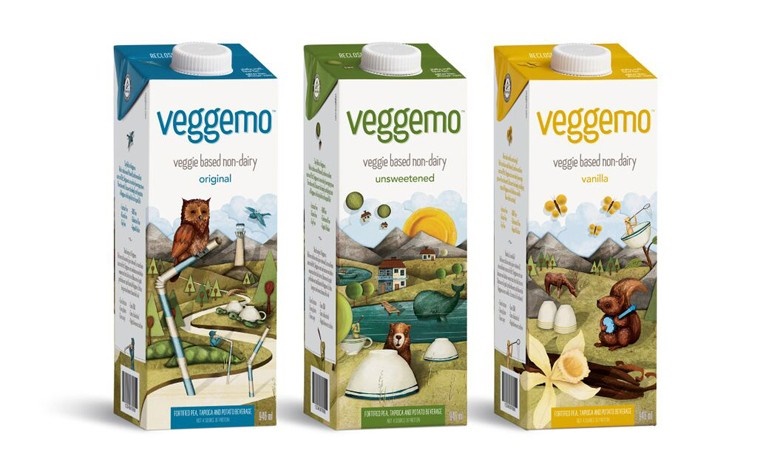
Veggemo – veggie-based  non-dairy beverage made from pea protein. Fortified with calcium, vitamin D and vitamin B12, but only 3-4 g protein per cup.

Veggemo – veggie-based non-dairy beverage made from pea protein. Fortified with calcium, vitamin D and vitamin B12, but only 3-4 g protein per cup.

Health Canada Bans Main Source of Trans Fats in Foods

Trans-Fats

Trans fats. They’re the worse type of fat because they pose a double whammy to your heart health – not only do they increase the bad “LDL” (Low Density Lipoprotein” cholesterol, but they also decrease the good “HDL” (High Density Lipoprotein” cholesterol. Eating trans fats increases the risk of heart disease.

While some foods contain small amounts of naturally occurring trans fats, the real concern is with foods containing “artificial” or “industrially produced” trans fat. The main source of this type of trans fat is partially hydrogenated oils (PHOs) which are oils that have been created during a process called hydrogenation. This process changes the structure of liquid oils into a solid at room temperature. PHOs extend the shelf life of foods and are typically found in commercially baked goods (e.g. pastries, donuts, muffins), deep fried foods, French fries, hard margarine, lard, shortening, frosting, coffee whiteners, some crackers and microwave popcorn. When you see the words “partially hydrogenated oils” in the ingredients list, you know that the food contains trans fats.

While the food industry has been voluntarily removing trans fats from products over the years, many foods still contain trans fats. On September 15, 2017, Health Minister Ginette Petitpas Taylor announced a ban on PHOs from all foods sold in Canada, including foods prepared in restaurants, “Eliminating the main source of industrially produced trans fats from the food supply is a major accomplishment and a strong new measure that will help to protect the health of Canadians.”

The ban will come into effect on September 15, 2018.

[Photo credit: NewHealthAdvisor.com]

Should You Be Worried About Lectins?

Beans_

I love eating different grains and beans. In fact, one of my favourite meals is lentils and rice. But there’s a growing buzz about lectins in these foods. Are lectins the new gluten? Here are 5 things you need to know.

1. Lectins are a family of proteins that bind to carbohydrates. Lectins are found in all foods, but are most concentrated in legumes and grains. Uncooked, raw legumes such as red and white kidney beans are one of the biggest sources of lectins. Lectins help protect plants from attacks by pests and insects.

2. Lectins aren’t easily digested, so they pass through the stomach and into the gut where they may “stick” to the gut wall. Eating high amounts of lectins may damage the lining of the gut, potentially causing digestive issues. For example, eating RAW or undercooked or improperly cooked kidney beans can lead to vomiting, diarrhea and abdominal pain.

3. Some people, such as those with Crohn’s disease or inflammatory bowel syndrome, may be more sensitive to lectins. If you have these conditions, speak to a Registered Dietitian to determine the amount of lectins that will minimize any symptoms or flare-ups.

4. Cooking eliminates almost all of the lectins in foods. Boiling legumes and grains in water for example is an easy way to get rid of lectins. Soaking beans, sprouting seeds and grains, and fermenting foods are other ways to lower the lectin content of foods. Canned beans have very low lectin levels due to the canning process.

5. Remember that many lectin-containing foods also provide important nutrients. Grains offer B vitamins, iron and fibre. Legumes offer protein, fibre, iron and zinc. So don’t worry about lectins. Instead, cook your grains and legumes, and enjoy!

What A Dietitian Eats

Sue Kelsey

As one of my monthly segments on CTV Your Morning, I thought it would be fun to do a little show and tell of my meals in a day. So here we go…this is what a dietitian eats!

Watch the interview here!

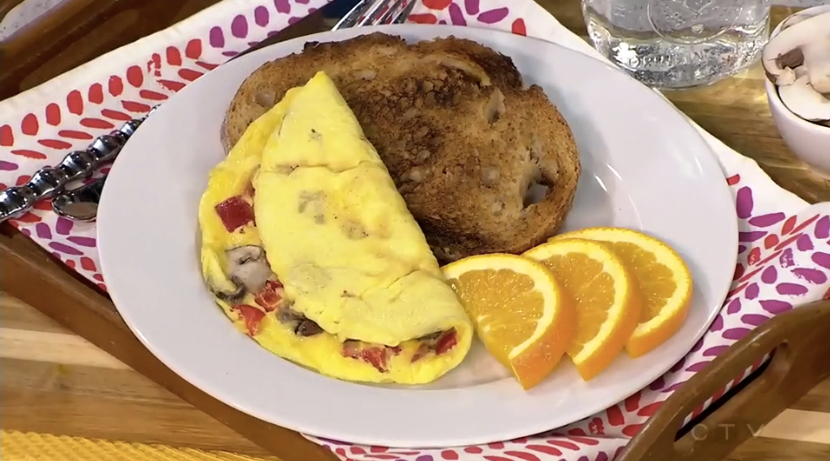
Breakfast – Veggie and cheese omelet

breakfast omelet

For breakfast, I try to make sure that I’m getting protein and veggies, so an omelet is perfect! Eggs are a great source of protein and the egg yolk is filled with nutrients such as lutein, omega-3 fat and choline. I add a slice of whole wheat toast for wholesome carbs and fibre. If I know my morning will be super busy, then I’ll make the omelet the night before and just heat it up in the morning for a quick breakfast.

Lunch – Lentil Shepherd’s Pie

lunch lentil shep pie

I love lentils! This is a fantastic vegetarian, plant-based lunch and a lighter version of your typical Shepherd’s Pie. Find the recipe here. Again, I’m looking for protein and veggies in my meal – lentils provide the protein and iron; carrots and stewed tomatoes count towards my veggies. The mashed potato topping is actually mixed with some cottage cheese to boost the calcium count. I pair this meal with some fresh fruit such as strawberries and kiwi – the vitamin C in the fruit improves the iron absorption from the lentils. My plan is to make this recipe on the weekend and re-heat it for a fast and nutrition packed lunch.

Afternoon Snack – Coffee, peanuts and fresh fruit

coffee snack

My mornings start at 6 am, so by mid afternoon, I’m feeling like I need an energy boost. A little bit of caffeine and some protein help me stay alert. Coffee is a treat for me – with double cream and double sugar! I aim to eat at least one green veggie and at least one orange veggie or fruit every day – I’m choosing a peach which is in season now. Peanuts are great for protein and they also contain magnesium which helps to fight stress.

Dinner – Baked salmon with quinoa arugula salad

Dinner salmon

I try to eat fish at least twice a week. Salmon is my go-to for heart healthy omega-3 fats, and it’s super easy to cook in the toaster oven. This is an Asian inspired recipe with a soy sauce and sesame oil marinade. I make a batch of quinoa ahead of time and use it in different ways throughout the week. Here, I’ve tossed some quinoa with arugula and added in some roasted beets and corn kernels. I set a goal to include at least 2 types of veggies at dinner time and make half my plate veggies.


Dessert – Fresh fruit salad with a small piece of dark chocolate

I usually have fresh fruit for dessert. Sometimes I’ll pair the fruit with a piece of dark chocolate. I love to bake, and never turn down a homemade cookie or slice of apple pie with ice cream!

Easy Lunch Ideas for Back to School

Sue Heather beet hummus

A study by researchers at the University of British Columbia found that Canadian children are not eating enough vegetables and fruit during the school day.

The first of its kind, this study looked at 4,827 children across Canada between the ages of six and 17. Using a 24 hour recall, their dietary intakes from 9 am to 2 pm was scored against a School Healthy Eating Index. The Index looks at 11 specific criteria based on Canada’s Food Guide’s recommendations, such as intake of vegetables and fruit, whole grains, milk products and meat and alternatives.

Here are the highlights from the research:
– 1/3 of daily calories (about 750 calories) are consumed at school; almost 25% of these calories came from “other foods” such as candy bars and salty packaged snacks
– Kids are falling short on vitamin A, vitamin D, calcium, magnesium, zinc, potassium and protein
– The lowest scores were for green and orange vegetables, whole fruit, whole grains and milk products
– The average score was 53.4 out of a possible 100 points
– Teens’ diets scored worse than that of younger kids aged six to eight

Here are a few of my lunch ideas, as shown on my interview with CBC Morning Live today.

Chickpea Lettuce Wrap – Kids are attracted to colours in their meals! A great protein packed and flavourful recipe! Add a glass of milk or fortified soy beverage to round out the meal.
Chickpea lettue wrap

Chicken Pasta Salad – My daughter won 3rd prize in a recipe contest for this recipe when she was in grade 3. Ask your kids to grate the carrots and chop the cucumbers. Balance the lunch with a serving of yogurt.
Chicken Pasta Salad

Beet Hummus with Veggies – Kids love to dip! A great way to team up protein plus produce in the lunchbox! Add mini pitas with cheese cubes for a nutritious lunch.
Beet hummus

Apple Sailboats – It’s as easy as it looks! Slice an apple into wedges and dip in lemon juice to prevent browning. Cut cheese into triangles and attach with a toothpick. Add a handful of whole grain crackers to complete the meal.
Apple sailboats

Zucchini Waffles – Breakfast for lunch, why not? These waffles are made with grated zucchini. (Sneak in the veggies wherever you can!) Add a hard cooked egg or small piece of cooked meat / poultry for protein. Mix a few extra berries with yogurt for “dessert”.
Zucchini Waffles with Fresh Berries

Men’s Nutrition

Sue Ben 3

June is National Men’s Health Month! Do men need a sports or protein drink? Is it true that beer causes a beer belly? Did you know men need more fibre than women? And what foods are best to prevent prostate cancer and gout?

I met up with Ben Mulroney on CTV Your Morning to chat about these questions!

Watch the interview video and get the answers!

Sue Ben 1rev

YOU can Help Shape Canada’s Nutrition Policies!

Child apple vs hamburger

Are you concerned about marketing to kids? Do you want Canada’s Food Guide to be the best tool to help you and your families eat well? Are you interested in access to safe and healthy food as well as the relationship between agriculture, the environment and the economy?

If you answered YES to any of these questions, then please take some time to complete Health Canada’s free online consultations on these three issues. Don’t miss your chance to have your voice heard!

1. Restricting unhealthy food and beverage marketing to children

Health Canada wants to reduce how much advertising children see or hear about unhealthy food and beverages. This online consultation is the first step to more consultations coming in 2018. Your ideas and opinions will help Health Canada decide how to go about restricting advertising for unhealthy food and beverages to children.
Here is the online consultation survey. Survey closes on July 25, 2017.


2. Canada’s Food Guide

This is phase 2 of the consultations. After this consultation, Health Canada will create recommendations and develop them into consumer messages, tools, and resources. A new suite of Canada’s Food Guide resources will be rolled out beginning in early 2018.
Here is the online consultation survey. Survey closes on July 25, 2017.


3. A Food Policy for Canada

A food policy is a way to address issues related to the production, processing, distribution and consumption of food. The decisions we make as individuals and as a country about food have a direct impact on our health, environment, economy, and communities.
Here is the online survey. Survey closes on July 27, 2017.

Top 10 Tools in Chef Michael Smith’s Kitchen

Chef Michael Smith - steamer May 2017

At the annual Canadian Produce Marketing Association convention in Toronto, Chef Michael Smith brought his kitchen to us! Take a peek at his top 10 must-have kitchen tools!


1. A good cookbook.
Hands down, the Chef’s favourite cookbook is The Joy of Cooking by Irma Rombauer. He calls this his scrapbook. It’s a timeless essential for new and experienced cooks alike.
2. 3 pots with lids. A big pot, a small pot and a fry pan. Simple as that. Smith is a fan of ceramic non-stick pans over Teflon.
3. A steamer. Because steaming veggies is “just best way to cook them,” says Smith.
4. 3 knives. A chef’s knife, a serrated knife for cutting toast, and a small knife.
5. Pepper grinder. According to the Chef, pepper tastes so much better when freshly ground.
6. Microplane zester. Use it on lemon rinds for “free flavour!”
7. Lemon reamer / citrus reamer. Because a little bit of fresh juice goes a long way!
8. Wooden spoons. They’re versatile and multi-purpose.
9. Wooden cutting board. Smith prefers the natural look of a wood cutting board over plastic.
10. Kids’ chef tools. Smith’s youngest daughter has a plastic whisk. It doesn’t work very well, but it gets her in the kitchen every Saturday morning to make pancakes with Dad.

Top Food Innovations from the 2017 SIAL Show

SIAL Sue

This year marked the 150th anniversary of SIAL – North America’s largest food innovation show! We were there and here’s what caught our eye!

Quinoa still going strong

Making its foray into the baby / toddler food market, Bio-Kinetics introduced an organic Sprouted Whole Grain Quinoa Baby Cereal. Millennial moms will be pleased with the clean ingredient deck (nothing but quinoa). Also in this line-up are sprouted oats and sprouted buckwheat cereal. #GetKidsHookedOnQuinoaEarly

IMG_6545.

Building on the convenience trend, France-based Sabarot showcased Le Petit Quinoa, a ready-to-slice roll of quinoa – really! Recognized as a top 10 finalist for the SIAL Grand Award, the product can be sliced, grilled, fried and used in a variety of dishes. #ConvenienceMeetsHealthy

SIAL quinoa loaf2.

The Millennial Market

It was the name of the exhibitor booth – “Millennial Foods Inc.” – that made me stop in my tracks! Quebec-based founder Simon Letendre created a “North Americanized” version of bubble tea. Instead of using tapioca, the tea is made with Mubbles – which stands for “Molecular Bubbles” and are essentially tiny fruit juice bubbles made via a molecular spherification process. Mubbles are packaged in a small container, much like a fruit cup and can also be used in drinks, salads and desserts. #InterestingButALittleTooSweetForMe

Sial mubbles1

Healthy Snacks

Innovation often starts in the home or farm kitchen. This is true for Spokes – air-puffed potato snacks, shaped like bike spokes, with 40 calories per cup and no preservatives. Created by Calgarian #SeniorEntrepreneur Elaine Cadrin, Spokes is geared to millennials. “The millennial mom is our target,” says Mike Cadrin, Senior Sales Director and proud son, “They’re looking for a super clean ingredient deck and want something special and unique.” #LovedTheMangoHabaneroFlavour

SIAL spokes potato chips 3

Another one of our favourite snacks at the SIAL show were these Crunchy Peas – made by Zak’s Organics, a fourth generation family-run farm in the small community of Fir Mountain, Saskatchewan (where the population is under 500). Inspired by Allen Zak’s own kids, the snacks are made from organic whole green peas and available in four different taste profiles with a new #trendingflavour mango habanero launching next month. #GrownInTheCanadianPrairies

Sial Zaks crunchy peas

East Meets West

If you’ve never tasted sea vegetables, Acadian Seaplants wants you to try! Hana Tsunomata is a sea plant that’s cultivated in the east coast. It’s available in a trio of colours: pink to represent Japan’s cherry blossoms; green to represent new life; and yellow to represent the chrysanthemum which is the favourite flower of the Japanese royal family. The product must be rehydrated in water for about eight minutes and can be used to add colour and texture to salads, cold noodles or pasta dishes. Holly Reardon, Brand Strategist for the product says food service is their primary market. #SeaVeggie

IMG_6609

Sweet Stuff

A Quebec-based company, Great Northern Maple, developed Kombucha Syrup. The ingredients are evaporated cane juice, black tea and kefir cultures. Though the product claims to have probiotics, there is no disclosure of the amount. #DidntWinMeOver

IMG_6639

Février 29 was another top 10 finalist for the SIAL Grand Award for it’s fun way to package Maple Syrup. Designed to sit right on the counter, the syrup is packaged in a bag-in-tub container, complete with a spout. And what’s the rationale for the company’s name? February 29 makes every day exceptional, 366 days of the year. #CoolPackaging

SIAL feb 29 maple syrup2

Taking the Grand Prize at this year’s SIAL show was Taj Food’s Saffron Sugar Cubes. According to Sap Hariri, Sales Director for the product, the sugar cubes allow consumers to add flavour and sweetness their teas all at once. The sugar cubes are also available in cinnamon and cardamom flavours. #SweetMeetsSpice

SIAL sugar cubes winner

5 Nutrition Myths – Busted!

hosts + Sue - 2

Test your nutrition IQ with this fun 5-question quiz!

Watch my interview clip on CTV Your Morning!


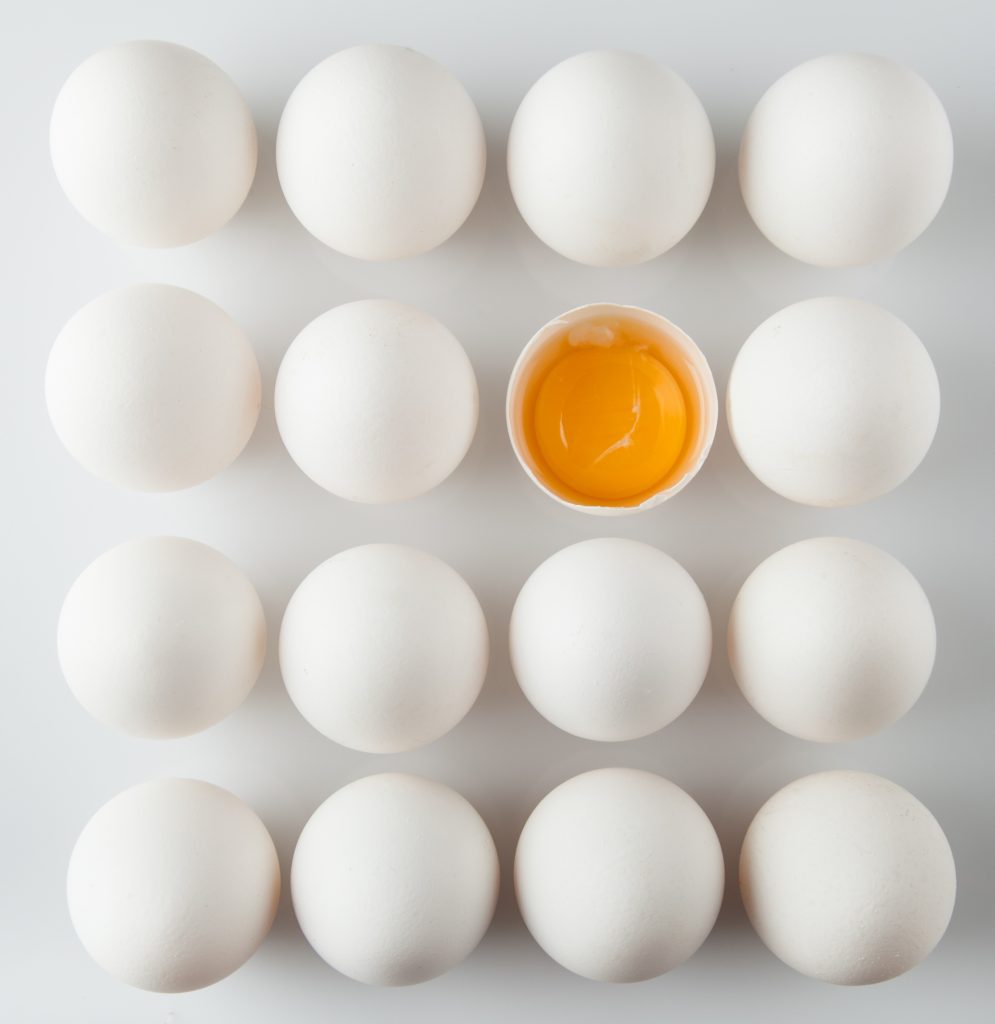
1) TRUE or FALSE: Brown eggs are more nutritious than white eggs.

Answer: FALSE

There really is no nutritional difference between brown eggs and white eggs. The main difference is in the hens. Generally speaking, white eggs come from hens with white feathers, and brown eggs come from hens with brown feathers!

Brown hens are slightly larger birds and need more food, so that may be a reason why brown eggs usually cost more than white eggs.


2) TRUE or FALSE: You need to drink 8 cups of water every day.

Answer: FALSE

Actually, it’s recommended that women get 9 cups of FLUID every day and men get 12 cups of FLUID every day. If you’re exercising, or if the weather is hot and humid, you may even need more fluid.

Fluid comes from the food you eat and the beverages that you drink – so milk, soup, coffee, tea, watermelon, grapes – all of that counts towards your fluid intake for the day. So the actual amount of water you need really depends on what you’re eating and drinking.

Water is always an excellent choice because it’s calorie-free and very refreshing. And here’s the best tip – take a look at your urine. If it’s light or clear, then it usually means that you’re getting enough fluids. But if it’s dark yellow, then it’s a sign of dehydration and you need more fluids.


3) TRUE or FALSE: Sea salt has the same amount of sodium as table salt.

Answer: TRUE

By weight, sea salt and table salt have the same amount of sodium. By volume though, sea salt does contain a little less sodium because sea salt crystals are larger.

The biggest differences between sea salt and table salt are: taste, texture and source.
Sea salt is made by evaporating seawater and tastes different depending on where it’s from. Sea salt does contain very small amounts of trace minerals such as calcium, magnesium and potassium.

Table salt is mined from dried-up ancient salt lakes. Some table salts include iodine, a nutrient that helps prevent thyroid disease (goiter).

4) TRUE or FALSE: Drinking lemon water first thing in the morning is a good way to detox your body.

Answer: FALSE

There is nothing magical about lemon water. Drinking lemon water in the morning actually adds extra acid into your empty stomach and this can give you a stomachache.
Another problem with lemon water is that the acid from the lemon can erode / wear down your tooth enamel. If you really love to drink lemon water, try to have a plain glass of water afterwards, and wait at least 15 minutes before brushing your teeth.

5) TRUE or FALSE: Energy drinks give you energy.

Answer: TRUE

Energy can mean calories. A bottle of energy drink can have about 100 calories, so in that sense, yes, you’re getting energy!

Energy can also mean physical energy. Energy drinks typically contain caffeine which is a stimulant. One cup of an average energy drink has almost as much caffeine as a cup of coffee. So in that sense, energy drinks will make you feel energized and alert.

The problem is that energy drinks also contain added sugar – up to 7 teaspoons in a serving- yikes! And there’s also herbal ingredients. Energy drinks are a no-no for kids, teens and pregnant/breastfeeding women.

What’s the best way to feel energized? Eat well, be active, stay hydrated and get enough sleep!