Blog / Recipes

Top 10 Tools in Chef Michael Smith’s Kitchen

Chef Michael Smith - steamer May 2017

At the annual Canadian Produce Marketing Association convention in Toronto, Chef Michael Smith brought his kitchen to us! Take a peek at his top 10 must-have kitchen tools!


1. A good cookbook.
Hands down, the Chef’s favourite cookbook is The Joy of Cooking by Irma Rombauer. He calls this his scrapbook. It’s a timeless essential for new and experienced cooks alike.
2. 3 pots with lids. A big pot, a small pot and a fry pan. Simple as that. Smith is a fan of ceramic non-stick pans over Teflon.
3. A steamer. Because steaming veggies is “just best way to cook them,” says Smith.
4. 3 knives. A chef’s knife, a serrated knife for cutting toast, and a small knife.
5. Pepper grinder. According to the Chef, pepper tastes so much better when freshly ground.
6. Microplane zester. Use it on lemon rinds for “free flavour!”
7. Lemon reamer / citrus reamer. Because a little bit of fresh juice goes a long way!
8. Wooden spoons. They’re versatile and multi-purpose.
9. Wooden cutting board. Smith prefers the natural look of a wood cutting board over plastic.
10. Kids’ chef tools. Smith’s youngest daughter has a plastic whisk. It doesn’t work very well, but it gets her in the kitchen every Saturday morning to make pancakes with Dad.

5 Nutrition Myths – Busted!

hosts + Sue - 2

Test your nutrition IQ with this fun 5-question quiz!

Watch my interview clip on CTV Your Morning!


1) TRUE or FALSE: Brown eggs are more nutritious than white eggs.

Answer: FALSE

There really is no nutritional difference between brown eggs and white eggs. The main difference is in the hens. Generally speaking, white eggs come from hens with white feathers, and brown eggs come from hens with brown feathers!

Brown hens are slightly larger birds and need more food, so that may be a reason why brown eggs usually cost more than white eggs.


2) TRUE or FALSE: You need to drink 8 cups of water every day.

Answer: FALSE

Actually, it’s recommended that women get 9 cups of FLUID every day and men get 12 cups of FLUID every day. If you’re exercising, or if the weather is hot and humid, you may even need more fluid.

Fluid comes from the food you eat and the beverages that you drink – so milk, soup, coffee, tea, watermelon, grapes – all of that counts towards your fluid intake for the day. So the actual amount of water you need really depends on what you’re eating and drinking.

Water is always an excellent choice because it’s calorie-free and very refreshing. And here’s the best tip – take a look at your urine. If it’s light or clear, then it usually means that you’re getting enough fluids. But if it’s dark yellow, then it’s a sign of dehydration and you need more fluids.


3) TRUE or FALSE: Sea salt has the same amount of sodium as table salt.

Answer: TRUE

By weight, sea salt and table salt have the same amount of sodium. By volume though, sea salt does contain a little less sodium because sea salt crystals are larger.

The biggest differences between sea salt and table salt are: taste, texture and source.
Sea salt is made by evaporating seawater and tastes different depending on where it’s from. Sea salt does contain very small amounts of trace minerals such as calcium, magnesium and potassium.

Table salt is mined from dried-up ancient salt lakes. Some table salts include iodine, a nutrient that helps prevent thyroid disease (goiter).

4) TRUE or FALSE: Drinking lemon water first thing in the morning is a good way to detox your body.

Answer: FALSE

There is nothing magical about lemon water. Drinking lemon water in the morning actually adds extra acid into your empty stomach and this can give you a stomachache.
Another problem with lemon water is that the acid from the lemon can erode / wear down your tooth enamel. If you really love to drink lemon water, try to have a plain glass of water afterwards, and wait at least 15 minutes before brushing your teeth.

5) TRUE or FALSE: Energy drinks give you energy.

Answer: TRUE

Energy can mean calories. A bottle of energy drink can have about 100 calories, so in that sense, yes, you’re getting energy!

Energy can also mean physical energy. Energy drinks typically contain caffeine which is a stimulant. One cup of an average energy drink has almost as much caffeine as a cup of coffee. So in that sense, energy drinks will make you feel energized and alert.

The problem is that energy drinks also contain added sugar – up to 7 teaspoons in a serving- yikes! And there’s also herbal ingredients. Energy drinks are a no-no for kids, teens and pregnant/breastfeeding women.

What’s the best way to feel energized? Eat well, be active, stay hydrated and get enough sleep!

Love Your Heart with these Power Bowls!

Power Bowl salad cropped png image

I’m a life longer learner and passionate about eating, delicious wholesome food! So when I was invited to a Love Your Heart – #CanolaConnect Culinary Workshop hosted by Canola Eat Well, I immediately jumped at the opportunity! It was an evening of learning, cooking, tasting and networking. Here are the event highlights!

Sue Mah standing
A fun evening of learning with my dietitian buddies! Photography by Josh-Tenn Yuk courtesy of Canola Eat Well.

The Fabulous Food
The evening began with a spread of delicious appetizers ranging from Beef Tartine on Marble Rye with Hummus and Marinated Feta to Pommes Anna with Anchovy Chili and Cured Yolk. My hands down fave was the Marinated Zucchini with Fresh Ricotta served on a Baguette Crostini. What a winner – super presentation, a combo of textures and made with canola oil! Confession – I went back for seconds!
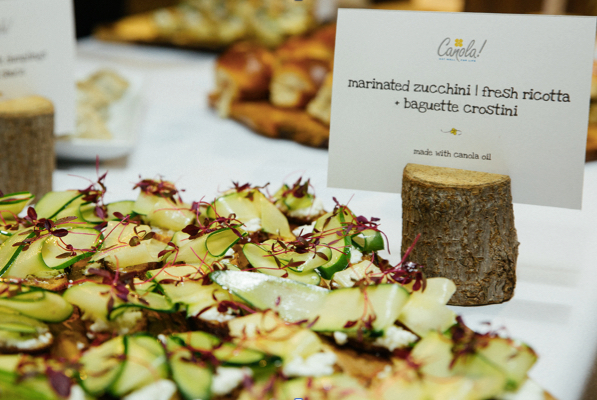
Zucchini snag it
One of many tasty appetizers! Photography by Josh-Tenn Yuk courtesy of Canola Eat Well.

The Creative Chef
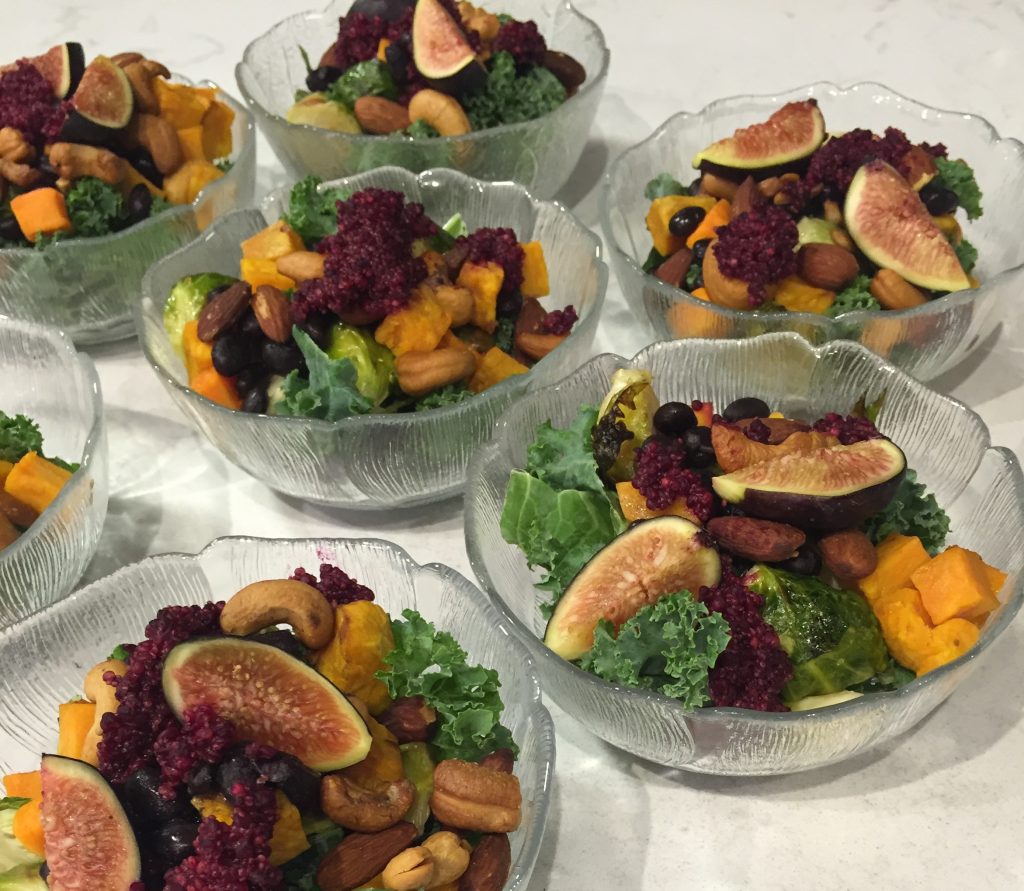
I was absolutely thrilled to meet Alexandra Feswick, Executive Chef at the Drake Hotel in Toronto! Inspired by local ingredients, Chef Alexandra created this gorgeous Power Bowl that’s bursting with flavour, colour and heart healthy goodness. “The combination of veggies is endless,” says Chef Alexandra whose salad bowl includes kale, Brussels sprouts, beets, sweet potatoes, avocado, figs and black beans.

Chef Alexandra
Chef Alexandra Feswick. Photography by Josh-Tenn Yuk courtesy of Canola Eat Well.

Power Bowl salad cropped png image
Chef Alexandra’s Power Bowl! Photography by Sue Mah

We made our own salad dressing using the star ingredient – canola oil – and mixed in a blend of fresh herbs. With a neutral flavour, canola oil absorbs the flavours of herbs and spices, making it so versatile for salad dressings, baking, barbecuing and cooking. Chef Alexandra’s advice on food? “If you source ingredients properly, food should taste the way it’s meant to taste. And I really encourage people to experiment, after all, it’s just food!”

Sue cooking salad
Mixing our own salad dressings. Photography by Josh-Tenn Yuk courtesy of Canola Eat Well.

Power Bowl with Green Goddess Dressing
Recipe by Chef Alexandra Feswick, Executive Chef at Drake Hotel

Green Goddess Dressing
1 tsp lemon juice
¼ tsp Dijon mustard
2 Tbsp canola oil
1 Tbsp crème fraiche
½ tsp garlic minced
1 Tbsp chopped herbs (chives, tarragon, parsley, mint, cilantro)

1. Combine lemon juice, Dijon mustard + canola oil together until well combined.
2. Add in crème fraiche + garlic and mix.
3. Gently add in mixed herbs and fold into the rest of the mixture.

Power Bowl
1 cup chopped kale
1 Tbsp black beans
1 Tbsp Brussels sprouts, roasted w canola oil
1 Tbsp chopped beets, cooked
1 Tbsp diced sweet potato, roasted w canola oil
1 Tbsp amaranth seeds, cooked
1 tsp almonds, roasted with canola oil
1 tsp cashews, roasted with canola oil
½ avocado
½ fig

1. Marinate kale with Green Goddess dressing.
2. Add in the remaining ingredients and toss together.
3. Enjoy!


The Passionate Farmer

Meet Jeanette Andrashewski, a canola farmer on a third generation farm in Two Hills, Alberta (about 140 km outside of Edmonton). As one of the 43,000 canola farmers in Canada, Jeanette takes pride in producing a Canadian product. When asked why she farms, her answer is honest and honourable, “We get to be our own boss and we get to feed the world.” Rotating through other crops such as wheat, barley and peas helps to keep Jeanette’s farmland healthy, “We want our food to be safe, affordable and nutritious. Our canola oil is going to your family.”
Farmer
Farmer Jeanette cares about producing safe, affordable and nutritious food. Photography by Josh-Tenn Yuk courtesy of Canola Eat Well.

The Research Dietitian
Shaunda Durance-Tod reminded us of the many nutrition and health benefits of canola oil. For starters, canola oil is low in saturated fat and packed with heart healthy omega-3 fats and monounsaturated fats. Plus it’s a good source of vitamin E and vitamin K.

Dietitian Shaunda
Dietitian Shaunda. Photography by Sue Mah

The Fun & Love
Put 26 dietitians in a beautiful, spacious venue at Luxe Appliance Studio, and you’re bound to get great laughs and inspiration! In honour of Heart Month, we were asked to share how we love our hearts. Chef Alexandra goes for a run. Farmer Jeanette practises meditation. Dietitian Shaunda stays calm. And me? I wake up with a heart full of gratitude and practise yoga daily! What about you? How do you love your heart?

Group photo
Fun and friendship at the Luxe Appliance Studio. Photography by Josh-Tenn Yuk courtesy of Canola Eat Well.

Disclosure: #CanolaConnect was a sponsored event for dietitians and this is a sponsored post. All thoughts and opinions are my own.

Lucky Foods for the Lunar New Year!

Sue Mel - 2
Kung Hei Fat Choy! January 28, 2017 is the Lunar New Year and it’s the Year of the Rooster!

Watch my TV interview about the do’s and don’ts as well as lucky foods to ring in the new year!

DO…
• Wear red! It’s a lucky colour and is thought to scare away the bad spirits!
• Repay your debts so that you have no money owning going into the New Year.
• Give or accept lucky money envelopes. If you’re married, you give lucky money to your kids, nephews and nieces. If you’re single or unmarried, you can still receive these lucky money envelopes from your parents.

DON’T…
• Clean, sweep or dust your house because it will sweep out the good luck.
• Wash your hair. This is also thought to wash away the good luck and good fortune.
• Speak any negative words. For example, don’t talk about death and don’t say the number “four” because this sounds like the word for “death” in Chinese.

LUCKY FOODS

Fish
Fish
This is always on the menu for the Lunar New Year because the Chinese word for fish sounds like the word for “abundance” or “having a lot”. Fish symbolizes an abundance of money and wealth. The steamed white fish is served whole, with the head and tail intact, as this symbolizes a good start and end to the new year. The head of the fish is turned towards the elders as a sign of respect.

Chicken Wraps
Chicken
The Chinese word for chicken sounds like the word for “prosperity”. In this Lucky Chicken Lettuce Wrap recipe, you can use chicken breast or ground chicken. The fresh green lettuce (“choy”) represents wealth. Also, iceberg lettuce, bibb lettuce and romaine lettuce all symbolize longevity.

Dumplings
Dumplings
The boat shaped dumplings symbolize wealth and resemble the shape of the gold and silver ingots which were used as money 2,000 years ago. Legend has it that the more dumplings you can eat on New Year’s, the more money you will have in the year!

Noodles
Long noodles symbolize a long life. The noodle dish is often prepared as a vegetarian entrée and is made with a variety of vegetables – carrots for the lucky colour orange, and cabbage for the wealthy “choy”.

Oranges cookiesMandarin oranges and almond cookies
For a sweet start to the New Year, enjoy mandarins / clementines and almond cookies. Oranges with the stems and leaves intact symbolize life and longevity.

Winners of the 2016 Grocery Innovations Show

Here are a few of the winning products, as selected by the Canadian Federation of Independent Grocers.

black-water

blk. Alkaline Mineral Water
blk. is a pure alkaline water that is infused with fulvic trace minerals.This beverage is naturally black with no artificial dyes or colouring. Fulvic acid (also called humic acid) occurs naturally in soil and sediment. Like all plain, unflavoured waters, blk has zero calories, zero sugar and zero caffeine.
My take: Tastes earthy. There are no human requirements for fulvic acid. Might make a good Halloween drink.

goh-goh-granola
goh-goh cereal
goh-goh cereal is made with air-dried milk. The first two ingredients are whole grain rolled oats and goh-goh whole milk powder. After adding water (warm or cold), the cereal is reconstituted. Available in two flavours: Honey, Hemp & Flax; and Raisin & Almond. A servings contains: 270-290 calories, 6-9 g fat, 43-45 g carbohydrates, 8-10 g protein, 3-4 g fibre, 15-20 g sugars and 10-15% DV (Daily Value) for calcium.
My take: Higher in sugars than I’d like, but tastes quite nice and is very filling. A novel idea for those who are camping, travelling or on the “goh”.

chickpea-beverage
Chickpea beverage
Made from organic chick peas, this is the first fortified chickpea beverage in the world. A serving (1 cup) contains: 70 calories, 2.5 g fat, 1 g omega-3 fat (from flaxseed oil), 2 g carbohydrate, 10 g protein, 0 g sugars and 30% DV (Daily Value) for calcium. (Vitamin D content not available.)
My take: Really does tastes like chickpeas. Contains more protein than other plant-based beverages such as almond beverage or rice beverage.

Food Day Canada – Hug a famer, kiss a chef, eat real food!

FoodDayCanada_Logo

This annual summer event actually started in 2003 as the “World’s Longest BBQ” as a grassroots effort to support local farmers, especially the Canadian beef industry which was hard hit by the news of mad cow disease.

Today, on the Saturday of every August long weekend, foodies across the country celebrate Food Day Canada.

Spearheaded by writer, author and culinary explorer Anita Stewart, Food Day Canada is a chance for all Canadians to celebrate and praise our farmers, fishers, chefs, researchers and home cooks.

I just spent hours soaking up the amazing info on the FoodDayCanada.ca website! It’s literally bursting with ideas and recipes to help you celebrate:
– Enjoy a delicious restaurant meal that features Canadian cuisine!
– Cook like a Canadian! Take a look at this long this list of delicious, tested recipes. Drool alert! Which one will you try?
– Shop like a Canadian! Stewart has complied an incredible list of 149 Canadian ingredients (in honour of Canada’s 149th birthday) that can help set the table. All I can say here is WOW!!
– Share the love. Post your stories and pics on social media with #FoodDayCanada and #CanadaIsFood. Be inspired and inspire others to join the celebration!
– Embrace Stewart’s mantra: Hug a farmer, kiss a chef, eat real food!

5 Ways to Celebrate Food Revolution Day

Food Rev Day May 20 2016

Jamie Oliver Food Revolution Day 2016

Globally, 41 million kids under the age of five are overweight, and another 159 million kids are malnourished. Something has to change. For over 15 years, culinary hero and food activist Chef Jamie Oliver has been campaigning for better food and health with a goal to improve global child health.

May 20th marks the third annual Food Revolution Day. The Food Revolution is an ongoing global campaign to improve child health by inspiring positive, meaningful change in the way our kids access, consume and understand food. And it all starts with good, fresh, real food.

Here are five simple things you can do today to build a healthy and happy generation for tomorrow:

1. Cook together! Chef and TV personality Guy Fieri says it best, “Cooking with kids is not just about ingredients, recipes and cooking. It’s about harnessing imagination, empowerment and creativity.” Cooking is a life skill.

2. Explore with food. Talk to the farmers at the local farmers’ market. Take the kids grocery shopping to see the variety of produce available all year long. Grow your own veggies. Plan a family outing at a pick-your-own berry or apple farm. Spend a day at the Royal Agricultural Winter Fair. Watch cooking shows together (MasterChef Junior, anyone?)!

3. Make a family cookbook. Go online, look at recipe apps, dust off your cookbooks and magazines. Try new foods and flavours. Put your favourites into a family cookbook – what a perfect holiday gift for friends and family!

4. Sign the Ontario Home Economics Association petition which urges the government of Ontario to make at least one food and nutrition course compulsory in high school. In Japan, cooking classes are mandatory in grades 5 to 12 – and could it be a coincidence that the Japanese have one of the lowest rates of obesity?

5. Sign up for Jamie’s Food Revolution.
Starting at 10 am BST (UK time) or 5 am EST on Friday, May 20, watch live videos on Jamie’s Facebook page where you’ll see him dishing up advice and starring in cooking videos.

7 Cooking Hacks to Cut the Sodium

Lemon basil garlic

Most of us are eating too much sodium, which can lead to hypertension (high blood pressure). In fact, the average adult has a 90% chance of developing hypertension which is itself the number one risk factor for stroke and a major risk factor for heart disease. Swapping out the sodium can help.

I had a chance to chat with Shelley Martin, President and CEO of Nestlé Canada who recently announced that the company has achieved a 10% reduction in sodium across its product portfolio (by volume) such as pizzas and frozen meals. “We want to support people in the foods they love to eat by making them as great tasting and nutritious as they can be,” said Martin. For some products, the sodium content was simply reduced, while for other products, the spice mix was also tweaked.

I applaud food industry initiatives like this to help Canadians eat better. Your own habits can also make a big difference. Here’s what you can do at home, at the grocery store, and when eating out:

1. Cook from scratch. Dig out your apron and make a delicious meal from scratch using fresh, wholesome ingredients. If a recipe calls for salt, consider using less.

2. Play with herbs, spices and citrus. Basil pairs perfectly with tomatoes and pasta. Curry adds a hint of heat to meat, poultry, soups and stews. A little bit of garlic and onion goes a long way. And a splash of fresh lemon or lime juice instantly perks up any dish!

3. Rinse canned beans.
I love cooking with canned beans because they’re super convenient and easy on the budget. A quick rinse helps to wash away some of the sodium that may have been added.

4. Go easy on the bottled sauces
such as ketchup, BBQ sauce and soy sauce. I grew up on Chinese food, so soy sauce, hoisin sauce and oyster sauce were our go-to flavourings. Today, lower sodium soy sauce is our pantry staple. Sometimes, I dilute the sauces with water too.

5. Read and compare food labels.
Choose the brands that have less sodium. From canned fish to frozen entrées to pasta sauces – you may be surprised to see the range of sodium found in different foods!

6. Order smaller portions when eating out. Just think – if you split an entrée with a friend, then you’re also splitting the calories and sodium content. It’s win-win. Ask for sauces and dressings on the side too if possible.

7. Give your taste buds a chance to adjust.
We all need some sodium for good health. The idea is to gradually swap out the sodium so in time, you’ll retrain your taste buds and savour the wonderful flavours that food has to offer. Your heart will thank you!

Happy Nutrition Month – Who Wants Some Crickets?

03 - Nutrition Month pledge image
Every March, dietitians across the country celebrate the joy of good nutrition and healthy eating! This year’s Nutrition Month theme focuses on taking a 100 meal journey and making small changes at each meal to build better eating habits.

I started by pledging to take a 100 Meal Journey. Throughout the month, I’m aiming to try new recipes and new foods, and generally be a bit more adventurous with my foods. And that’s when I found them – chocolate covered crickets – just $5.99 for a small pack! I must have been feeling brave at the time because I also bought a pack of the barbecued crickets too. Why crickets? With growing concern for the environment and sustainable eating, crickets provide protein, iron, magnesium and zinc, and produce little CO2 and methane gas.

crickets

To help bolster my confidence to try these little critters, I tweeted about them, looking for some virtual support. One of my friends replied, “Gross! Anyone who wants to try crickets needs to get a life!” OK, so not a whole lot of love there!

Another follower replied, “We eat crickets all the time where I come from.” I could hear my self-talk, “That’s right Sue, you can do this, crickets are no biggie!”

My dietitian buddy out in Winnipeg told me that she used to feed crickets to Harry, the family’s pet tarantula. (I tried hard to not compare myself to Harry, or maybe it’s name was “Hairy”?) And then a few of my other dietitian colleagues inquired, “So, how did they taste?” One of my colleagues in fact confessed that she had actually (knowingly) tried deep fried lamb testicles! OK, without a doubt, she’s got one up on me in the food adventure department!

So, with a glass of red wine handy and a plate of my chocolate covered crickets, I gave them a try….and….watch my reaction!

If you haven’t yet signed up for the 100 Meal Journey Pledge, it’s not too late – just sign up here and join the thousands of Canadians who are eating their way to better health, one meal at a time! Pledge to eat more fruits and veggies! Try a recipe from a new cookbook! Or experiment with a different spice. Crickets are totally optional!!

Chickpea Chocolate Cake (gluten-free)


What can you make with one can of chickpeas? A delicious gluten-free chickpea chocolate cake! I raved about this cake in my recent nutrition trends interview on BreakfastTV Toronto. Super easy and tastes amazing!

Ingredients
1 1/2 cups semisweet chocolate chips
1 (19 ounce) can chickpeas, rinsed and drained
4 eggs
3/4 cup white sugar
1/2 tsp baking powder
1 T icing sugar (for dusting)

Directions
1. Preheat the oven to 350 F. Grease a 9-inch round cake pan and line with parchment paper.
2. Place the chocolate chips in a microwave-safe bowl. Melt chocolate chips for about 2 minutes, stirring every 20 seconds after the first minute, until chocolate is melted and smooth. If you have a powerful microwave, set the power at 50%.
3. Combine the beans and eggs in the bowl of a food processor. Process until smooth. Add the sugar and baking powder. Pulse to blend.
4. Pour in the melted chocolate and blend until smooth. Transfer batter to the prepared cake pan.
5. Bake for 35-40 minutes or until a knife inserted into the centre comes out clean. Cool in the pan on a wire rack for 10-15 minutes. Invert the cake onto a serving plate and dust with icing sugar just before serving.

Recipe Source: http://allrecipes.com/recipe/149550/garbanzo-bean-chocolate-cake-gluten-free/

Comments/Review: Instead of a food processor, I simply used a Magic Bullet to blend the chickpeas and eggs (half of the chickpeas with 2 eggs at a time). I then poured everything into a large bowl and added the sugar, baking powder and melted chocolate. When I first made this recipe, my then 7 year old daughter declared gleefully, “I’m so lucky. I got the piece of cake without any bean in it!” Fooled her!

Love to learn? Love to eat?

Sign up for my free nutrition news, tips, trends, recipes and fascinating food facts!