Blog / Recipes

Research Recap: Dietary Protein Amounts and the Risk of Type 2 Diabetes

various protein foods such as fish, meat, eggs and milkGetting enough protein is important for good health. But can too little or too much affect your risk for Type 2 Diabetes?

Background

According to the International Diabetes Federation, China has the largest population with diabetes in the world, and almost half of them are undiagnosed. Researchers from the School of Public Health and Fudan University in Shanghai China were interested in exploring the link between protein intake and the risk of Type 2 Diabetes.

The researchers studied 29,517 adults who did not have diabetes. The average age of the participant was 55 years. The study lasted 5½  years from 2017 to 2022. Each of the participants recorded their usual food intake using a validated food frequency questionnaire.

What the study found

After the 5½ years, 5.1% of the study participants (1511 participants) developed Type 2 Diabetes. Those who developed Type 2 Diabetes tended to be older, had high blood pressure, carried excess weight and / or had a family history of diabetes.

Interestingly, the researchers found a U-shaped association between the risk of developing Type 2 Diabetes and the percent of energy (total daily calories) consumed from protein. In other words, people who ate either too little or too much protein had higher chances of developing Type 2 Diabetes.

Let’s look at this scientific graph, taken from the research paper.

A graph showing a flat U shaped curve relationship between risk of developing Type 2 diabetes (Hazard ratio) versus percent of calories consumed as protein (% energy from protein)


Along the vertical axis is the “Hazard ratio” with a 95% Confidence Interval. The hazard ratio measures the relative risk of something happening, in this case, the risk of developing Type 2 Diabetes. A hazard ratio of 1 (shown as the dotted black line in the graph) means that there is no difference in risk. A hazard ratio higher than 1 means increased risk, and lower than 1 means a decreased risk.

The horizontal axis of the graph is the “Energy from protein” – this is the percent of energy (total daily calories) from protein that a person eats. When protein made up between 12.20% to 16.85% of a person’s total daily calories, the risk of developing Type 2 Diabetes has a hazard ratio of less than 1. This is shown as the bottom part of the letter “U” under the dotted black line in the curve. The risk for developing Type 2 Diabetes increased by up to 1½ times when people ate less than 12.20% or more than 16.85% of their daily total calories from protein. The lowest risk of developing Type 2 Diabetes was observed when protein intake was 14.53% of the daily total calories.

How you can use this info

Protein is an important nutrient for many reasons, including bone health, muscle health and immunity. This research, published in Nutrition Diabetes (June 2025) suggests that eating a certain amount of protein may also lower your chances of developing Type 2 Diabetes.

The study found that eating 12.20% to 16.85% of your total daily calories from protein can be protective against developing Type 2 diabetes. Use this range as a guide.

Here’s a sample calculation showing how you would convert these percentages to grams of protein. The average adult eats about 2000 calories a day. So let’s use that number for this sample calculation.

  • For 12.20% of 2000 calories, multiply 0.1220 x 2000 to get 244 calories. One gram of protein contains 4 calories. So divide 244 by 4 to get 61 grams of protein per day.
  • For 16.85% of 2000 calories, multiply 0.1685 x 2000 to get 337 calories. One gram of protein contains 4 calories. So divide 337 by 4 to get 84.25 grams of protein per day.
  • Among the study participants, the lowest risk for developing Type 2 Diabetes occurred when protein comprised 14.53% of the total daily calories. Let’s do the math again. Multiply 0.1453 x 2000 to get 290.6 calories. One gram of protein contains 4 calories. So divide 290.6 by 4 to get 72.65 grams of protein per day.

In general, if you’re eating about 2000 calories a day, you can aim to eat between 61-84 grams of protein. And the lowest risk for developing Type 2 Diabetes in this study group was found among those who ate 72.65 grams of protein per day. Overall, this translates to eating about 20-25 grams of protein at each meal, which is what I generally recommend for muscle health.

Limitations of this study

  • Keep in mind that this study was done on a select group of adults in one specific country. The types of foods consumed by the participants may differ from the foods you typically consume. For example, more than half of the protein eaten by the study participants was plant protein such as soybeans, tofu and nuts.
  • Your protein needs may vary depending on other factors such as your health conditions, bone health, physical activity and strength training.
  • Diet is just one risk factor for Type 2 Diabetes. Your risk of developing diabetes varies with various factors including family history, diet, physical inactivity, high blood pressure, medications and ethnicity.
  • Always check in with your health care provider or a dietitian for personalized advice. Remember, this information is for educational purposes only and is not intended to replace the advice of your health care provider.


Research cited: Xu M, Zheng J, Ying T, Zhu Y, Du J, Li F, Chen B, Liu Y, He G. Dietary protein and risk of type 2 diabetes: findings from a registry-based cohort study and a meta-analysis of prospective cohort studies. Nutr Diabetes. 2025 Jun 3;15(1):25. doi: 10.1038/s41387-025-00380-z. PMID: 40461516; PMCID: PMC12134278.  https://pubmed.ncbi.nlm.nih.gov/40461516/

The Surprising Nutritional Benefits of Sardines!

Cans of sardines decorated with comical characters.


I’m just back from my vacation to Europe and FELL IN LOVE with sardines! They’re a staple food particularly in Portugal. I feasted on grilled, fresh, large sardines as well as the smaller, canned ones known as “conservas.” Honestly, I probably ate sardines at every other meal.

Portugal has a rich history of sardine fishing and canning along the coastal communities. Hundreds of decorated canned sardines could be found at the Mercado do Bolhão (market) in Porto (see photo above). And in Lisbon, we visited a store called “Fantastic World of Portuguese Sardines” dedicated solely to various flavours of the canned delicacies.

When I returned home, I looked up the nutritional profile of sardines and was wowed by what I found!

Protein

I knew that sardines contained protein, but what surprised me just how much! A small tin, about 100 grams of canned sardines in olive oil contains up to 25 grams of complete protein. That’s the same amount found in a similar serving of meat, fish or chicken.

Calcium

Believe it or not, there can be up to 30% of your days’ worth of calcium in a 100 g serving of canned sardines. The catch (pardon the pun!) is that you have to eat the tiny, soft bones (as is the case with canned salmon). If you skip the bones or buy boneless sardines, the calcium content is only about 10% of the Daily Value.

Vitamin D

Not many foods naturally contain vitamin D. Sardines are an excellent source of vitamin D, so stock up over the winter months when we can’t make enough vitamin D from the sun!

Omega-3 fats

Salmon is often the poster child for omega-3 fats, but sardines are another top source of these heart healthy fats. Omega-3 fats are good for the heart and good for the brain.

Selenium

Selenium is a mineral that acts as an antioxidant to help protect against different diseases like cancer and heart disease. The amount of selenium varies from brand to brand of sardines, and can be as high at 100% of the Daily Value.

And more!

Sardines also contains vitamin B12,  potassium, iron, choline and zinc. Since there can be added salt, check the Nutrition Facts table for the sodium content. At less than $3 per package, take the opportunity to enjoy this nutrition powerhouse in a salad, on toast or in a pasta dish!


Nutrition tip of the month: Get enough protein at breakfast

A plate with two eggs and saladAre you getting enough protein at breakfast?

Many of us are not. Aim for 20-30 grams of protein at this meal. Not only will this help you feel full throughout the morning, but it will also play a role in maintaining your muscle mass.

Here are 6 protein-packed breakfast ideas.

1. Eggs – Start with 2 large eggs. Whip up some scrambled eggs or an omelet with veggies. Top with about 1/4 cup grated cheese. Pair with a salad (yes, salad for breakfast!) or roll it up in a whole wheat tortilla. 20 grams of protein.

2. Greek Yogurt Bowl – Make your favourite smoothie bowl with 3/4 to 1 cup of Greek yogurt. Sprinkle on a small handful of nuts / granola and your favourite fruit. Easy! 20-30 grams of protein.

3. Grilled Cheese and Ham Sandwich – All you need are 2 slices of whole grain bread + 2 slices of cheese + 2 slices of ham or other lean meat. Done! 20-30 grams of protein.

4. Protein Smoothie – Make your favourite smoothie with high protein milk and / or add a scoop or more of protein powder. Read the nutrition information on the protein powder since they can range from 6 to 30 grams of protein per scoop.

5. Protein Pancakes – Check out your grocery store or online for protein pancake mix.  Team it up with a small glass of fortified soy beverage or milk. 20-30 grams of protein.

6. Creamy Oatmeal – Make a bowl of hot oatmeal with fortified soy beverage or milk instead of water. Stir in a tablespoon of nut butter and top with 1-2 tablespoons of chia seeds, hemp seeds or pumpkin seeds. 20 grams of protein.

What’s your favourite protein-packed breakfast? Let me know in the comments.

Foods to add to your plate for the winter

Sue is talking to TV host Kelsey McKewan with a table full of foodDuring the winter, we often face a dip in temperatures, wind chill and a lack of sunshine. To stay healthy and happy, try adding these nutrients and foods to your plate.

Click here to watch my national TV interview on this topic.


Vitamin D

Vitamin D benefits our bone health, immune function and mood.  Research shows that low vitamin D status is associated with depression. Often called the “sunshine vitamin”, vitamin D can be made when our skin is exposed to ultraviolet B rays from sunlight. However, during our Canadian winters with shorter days, there isn’t enough sunlight for this to happen. And even if we are outdoors, we’re usually all bundled up to stay warm. In fact, the risk of vitamin D inadequacy can double during the winter, compared to the summer.

From October to March, it’s advisable to take a vitamin D supplement, especially if you’re over the age of 50. Health Canada suggests 400 IU of vitamin D per day while other organizations such as Osteoporosis Canada recommend a higher supplement dose if you’re at high risk for osteoporosis.

What you can do: In addition to taking a vitamin D supplement in the winter, add these vitamin D-containing foods to your plate: fatty fish (e.g. salmon, artic char, canned sardines), eggs, mushrooms, milk and fortified plant-based beverage.

Whole grains

During the dark, cold wintry days, it’s easy to feel a little blah. You probably already know that eating whole grains can lower your chances of developing heart disease. But did you know that whole grains can boost your mood too?

Carbohydrate foods – like whole grains as well as legumes, fruits and vegetables – triggers our body’s production of serotonin which is a hormone that helps us feel calm, relaxed and happy. The key is to enjoy carbohydrates WITH protein. In protein foods, there’s a specific amino acid called tryptophan which is needed to make serotonin.

What you can do: Pair whole grains with protein to make delicious meals. Try a sandwich made with whole grain bread and grilled chicken or egg. How about a bowl of oatmeal with nuts and seeds? For pasta salad lovers, stir in a can of beans. My favourite pairing is quinoa with salmon – not only does salmon provide vitamin D, but it also is a fantastic source of  heart healthy and mood-boosting omega-3 fats.

(Learn more about tryptophan in my blog: Does eating turkey make you sleepy?)

Vitamin C

Vitamin C is just one of the many nutrients needed for a strong immune system, especially during cold and flu season. Research shows that getting enough vitamin C can reduce the duration of a cold by 8%. A single orange offers your daily quota for vitamin C, and so does 1 cup of fresh/frozen strawberries, 1 cup of broccoli, 1/2 red pepper or 1-2 kiwis. Vitamin C also plays a role in producing collagen to support skin health.

What you can do: Think beyond oranges for vitamin C. For variety, also try grapefruit, tomatoes, cauliflower, Brussels sprouts and potatoes.

Dark Leafy Greens

Canada’s Dietary Guidelines actually recommend eating one dark green vegetable every day. Fibre, folate and magnesium are a few of the notable nutrients found in leafy greens. Magnesium is actually important for stress management. When we’re stressed, levels of cortisol (the stress hormone) rise. Magnesium works to reduce cortisol levels. Some magnesium superstars are spinach, kale, bok choy, romaine lettuce and Brussels sprouts.

What you can do: Add leafy greens to soups, smoothies, stews, salads and casseroles. Magnesium is also found in other foods like nuts, seeds, whole grains and DARK CHOCOLATE! A 40 gram portion (1.5 ounces or 3 squares) of dark chocolate contains about 25% of your daily requirement for magnesium. Enjoy!


Written by Sue Mah, MHSc, RD, PHEc, FDC, award-winning dietitian, Nutrition Solutions Inc.


5 Smart Snacks

5 snack ideas with images of each snack combination

Want to stay fueled and alert? My dietitian tip is to combine protein with produce at every snack! Protein foods give you staying power, satiety and alertness. Produce offers a medley of antioxidants to boost your health and wellness. That’s a powerful combo, right?

Try these snacks the next time you’re heading out on the trails, camping or even studying for exams. Which snack combo is your favourite?


Top 5 Food & Nutrition Trends from FNCE 2018

Sue FNCE expo

One of the best things about my job as a food and nutrition expert is going to conferences to learn about new trends and share our learnings with YOU! This year’s Food & Nutrition Conference & Expo (FNCE) in Washington DC did not disappoint! It’s the world’s largest food and nutrition event, attracting well over 10,000 delegates with hundreds of speakers and exhibitors. Here are my top takeaways from the event.

1. FODMAP Friendly. This was by far, the biggest trend at the show. FODMAP is an acronym for “Fermentable Oligo-, Di-, Mono-saccharides And Polyphenols”. These are different types of carbohydrates found naturally in everyday foods such as fruit, veggies, grains, beans and milk product. For some people, eating foods containing high amounts of these FODMAP carbohydrates may cause gas, bloating and other digestive symptoms. Dozens of products at FNCE sported a “FODMAP Friendly” logo, including Prego’s Sensitive Recipe pasta sauce (made without onions or garlic) and Lo-Fo flours.

fodmap friendly logo

Prego fodmap friendly

fodmap friendly foods

2. Protein Power. I’ve been emphasizing the importance of getting enough protein at every meal for a while now. Protein continues to be a strong nutrition buzzword. This year’s FNCE show featured several protein packed products such as a peanut-based protein shake and a protein enriched pancake mix.

Peanut protein shake

Pancake protein

3. Probiotics. At last year’s FNCE event, exhibitors flaunted countess probiotic products. This year, there were even more innovations ranging from infused probiotic beverages to a combination protein/probiotic hot oatmeal.

probiotic drink

probiotic oatmeal with protein

4. Plant-based. Following this trend were plant-based beverages such as “sesame milk”, “banana milk” and yes, even plant-based maple water. When it comes to calcium, vitamin D and protein though, not all of these products are equivalent to cow’s milk or fortified soy beverage

Sesame milk

banana milk

maple water

5. Snacking. Among the countless numbers of protein bars, I found snacks such as barley bars, flavoured chickpea snacks as well as single serve, shelf stable bean dips for on-the-go energy.

barley bars

chickpea snacks

Black bean portable dip snack

Which one of these trends are you most excited about? Leave a comment and let me know.

Food and Nutrition Trends from FNCE 2017

Sue FNCE sign 1 CROP

We were thrilled to attend the centennial Food & Nutrition Conference & Expo (FNCE) – the world’s largest annual nutrition meeting hosted in Chicago by the Academy of Nutrition and Dietetics! With over 13,000 attendees, FNCE did not disappoint! The Expo trade show featured hundreds of food and nutrition products. Here are the ones that caught our eye!

PREBIOTICS and PROBIOTICS

Gut health is a growing trend! Prebiotics and probiotics work together to keep the gut healthy. Prebiotics are non-digestible carbohydrates that actually act as food for probiotics. Probiotics are healthy bacteria that live in our colon where they help to maintain a balance between the “good” and “bad” bacteria. From crackers to drinks to powders, these innovative products are designed to keep your gut healthy.

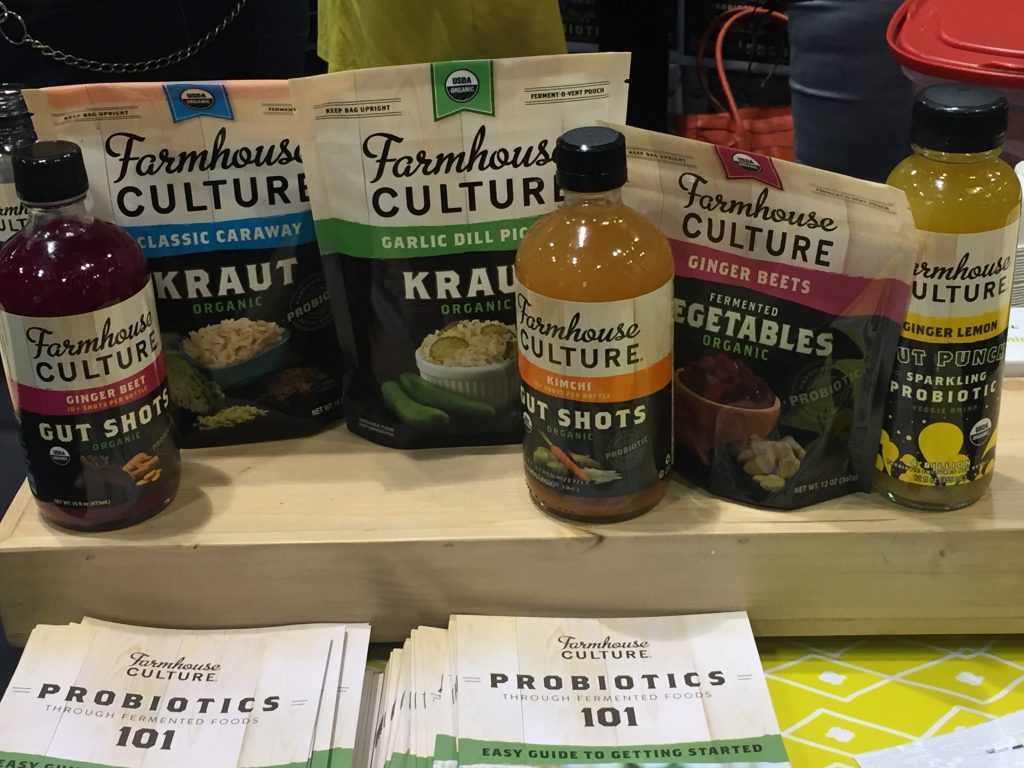
Farmhouse Culture Gut Shots – probiotic beverages and foods made with fermented veggies. Slogan: We’re here to ferment a food revolution!

Farmhouse Culture Gut Shots – probiotic beverages and foods made with fermented veggies. Slogan: We’re here to ferment a food revolution!

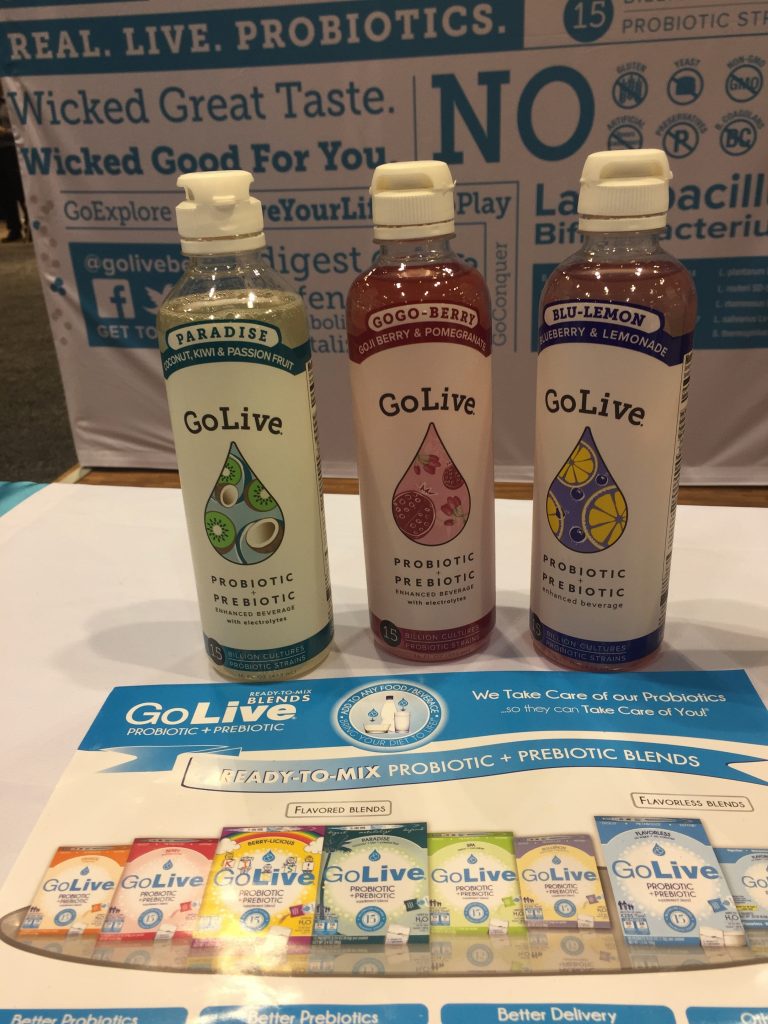
Go Live Probiotic & Prebiotic Beverages – the probiotic is housed in a foil-blister cap which can be added to the beverage when you’re ready to drink. Slogan: Think outside the bottle, look inside the cap!

Go Live Probiotic & Prebiotic Beverages – the probiotic is housed in a foil-blister cap which can be added to the beverage when you’re ready to drink. Slogan: Think outside the bottle, look inside the cap!

Regular Girl – prebiotic fibre and probiotics for the women whose life is anything but regular. Can be sprinkled on food or in beverages. Slogans: Eat, drink and be regular! You go girl! Déjà poo!

Regular Girl – prebiotic fibre and probiotics for the women whose life is anything but regular. Can be sprinkled on food or in beverages. Slogans: Eat, drink and be regular! You go girl! Déjà poo!

PROTEIN

We’ve been watching the protein trend grow for the past decade now. Featured at the FNCE show were protein packed pancake mixes and protein enhanced beauty products.

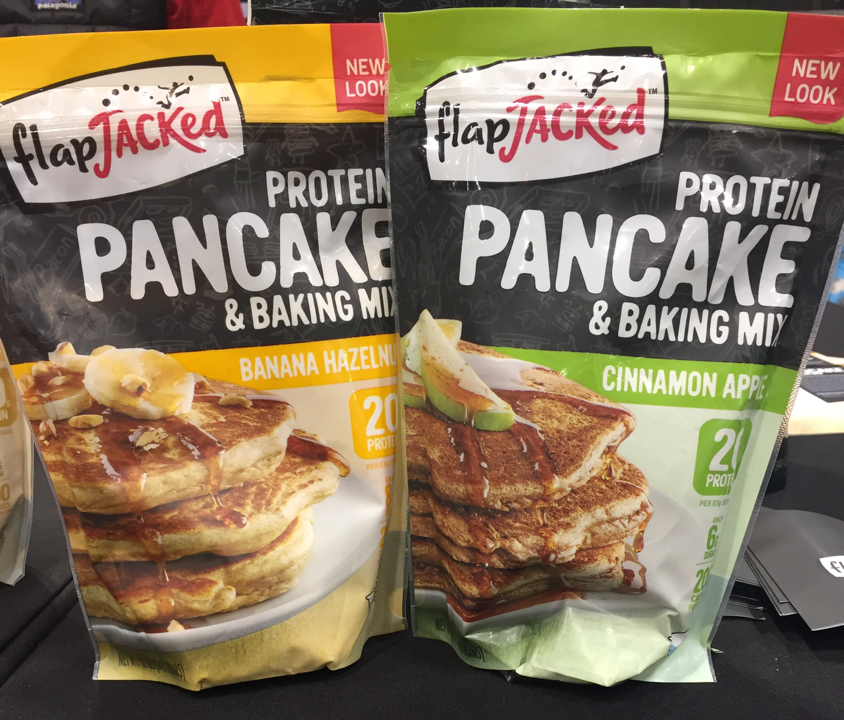
FlapJacked Protein Pancake & Baking Mix – boasting 19 grams of protein per 60 g serving from whey protein isolate and pea protein.

FlapJacked Protein Pancake & Baking Mix – boasting 19 grams of protein per 60 g serving from whey protein isolate and pea protein.

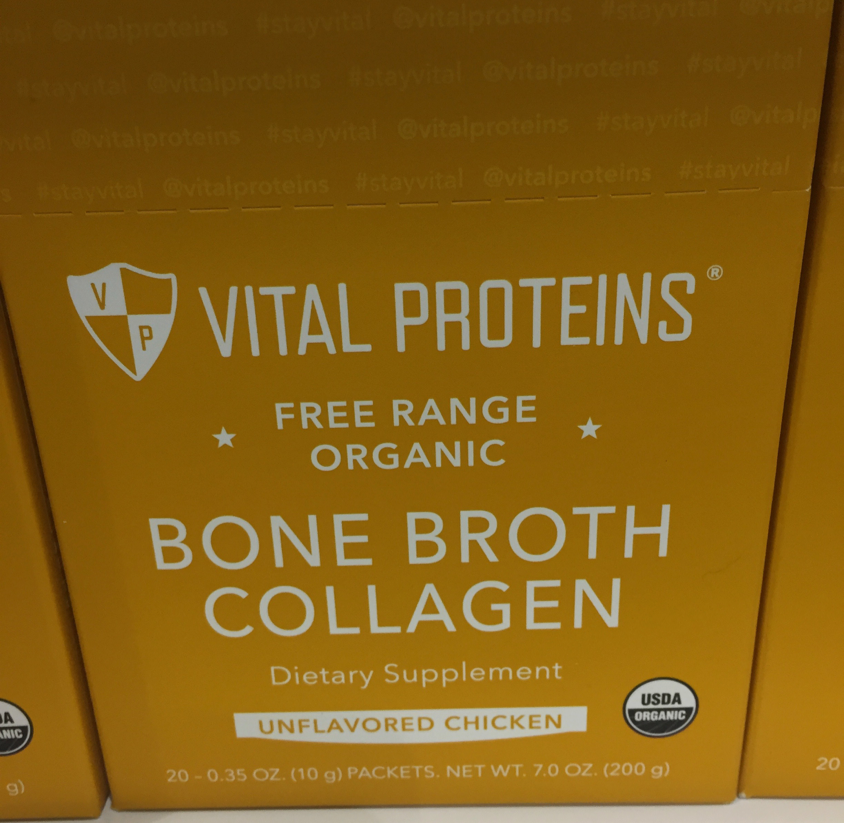
Vital Proteins – from free range bone broth collagen to wild caught marine collagen to collagen beauty water…with the belief that collagen will support bone health, joint health, gut health and a glowing skin, nails and hair.

Vital Proteins – from free range bone broth collagen to wild caught marine collagen to collagen beauty water…with the belief that collagen will support bone health, joint health, gut health and a glowing skin, nails and hair.

PLANT-BASED BEVERAGES

Move over soy, almond and rice. Make way for new plant-based beverages made from nuts and pea protein.

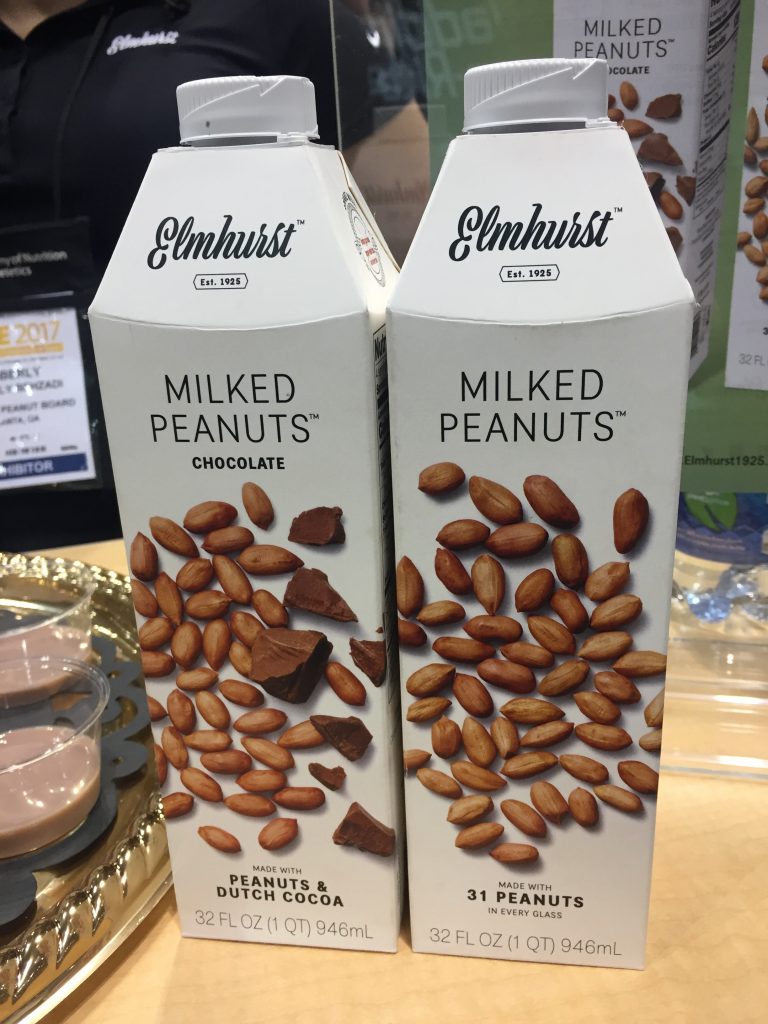
Elmhurst Milked Peanuts – 2 new beverage options: straight up peanuts (made with 21 peanuts) or peanuts plus Dutch cocoa. Contains 8 g of protein per cup however not fortified with either calcium, vitamin D or vitamin B12.

Elmhurst Milked Peanuts – 2 new beverage options: straight up peanuts (made with 31 peanuts) or peanuts plus Dutch cocoa. Contains 8 g of protein per cup however not fortified with either calcium, vitamin D or vitamin B12.

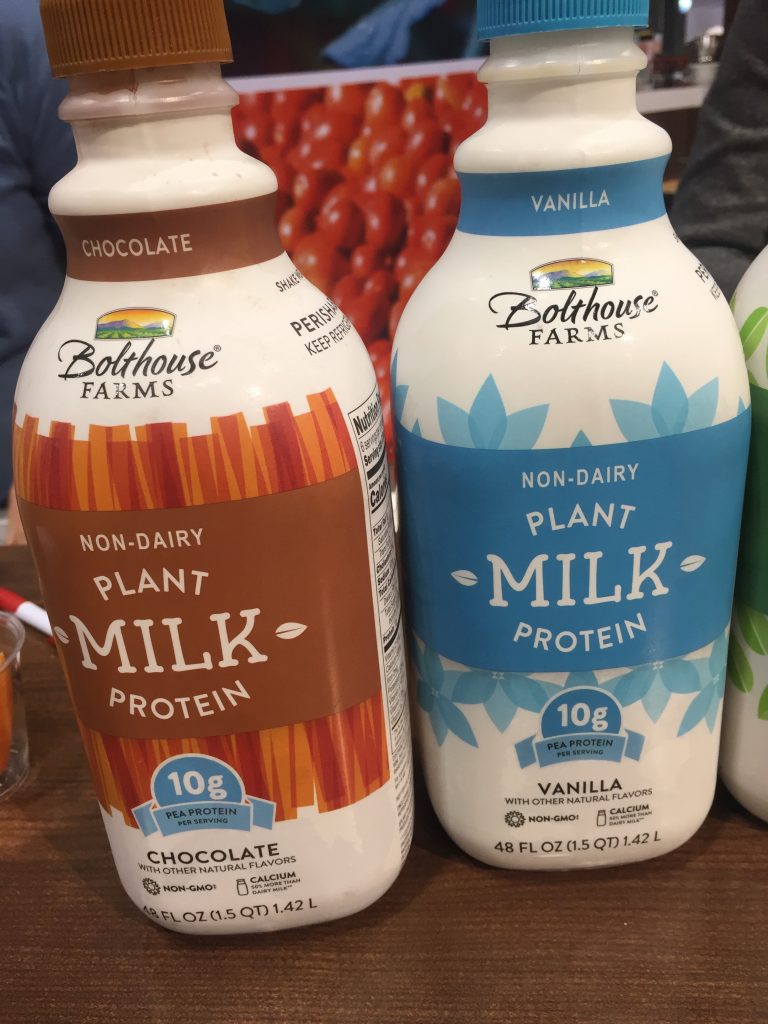
Bolthouse Plant Protein Milk -  made with pea protein, contains 10 g protein per cup and fortified with calcium, vitamin D and vitamin B12.

Bolthouse Plant Protein Milk – made with pea protein, contains 10 g protein per cup and fortified with calcium, vitamin D and vitamin B12.

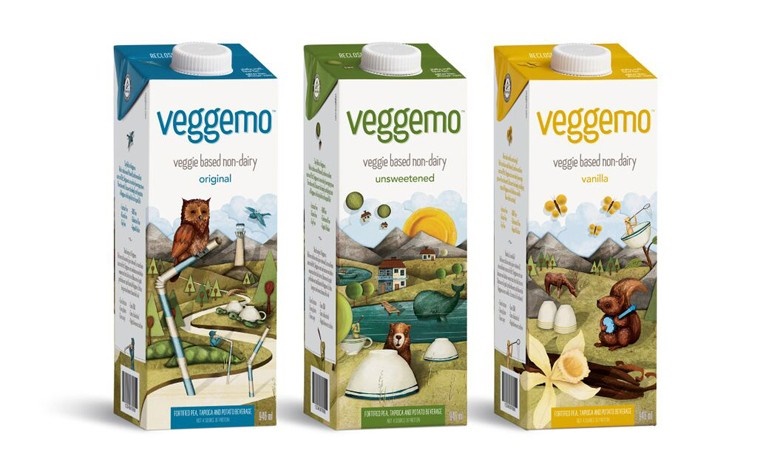
Veggemo – veggie-based  non-dairy beverage made from pea protein. Fortified with calcium, vitamin D and vitamin B12, but only 3-4 g protein per cup.

Veggemo – veggie-based non-dairy beverage made from pea protein. Fortified with calcium, vitamin D and vitamin B12, but only 3-4 g protein per cup.

5 Ways to Up Your Protein

sue-kelsey-1

Want to build those muscles? For optimal muscle protein synthesis, aim to have 20-30 grams of protein at every meal. For most of us, this means pumping up the protein at breakfast and dialing down the protein at dinner time.

Watch my TV interview to see if you’re getting enough protein at every meal.

Here are 5 easy ideas to help you get enough.

1. Egg Sandwich – Start with 2 large eggs and add 2 T of grated cheese. Whip up some scrambled eggs or an omelet with veggies. Roll it up in a whole wheat tortilla. 20 grams of protein.

2. Greek Yogurt Smoothie – Make your favourite smoothie with 1 cup of Greek yogurt. Easy! 20 grams of protein.

3. Soup and Sandwich – Warm up to a bowl of minestrone soup and 1/2 veggie sandwich. For the sandwich, try Canadiana Rustic Bean Bread (made by Country Harvest) with with 2 T hummus and your favourite fresh veggies. Add a slice of cheese to the sandwich or add 3/4 cup Greek yogurt for dessert. 30 grams of protein.

4. Super Salad – Fill at least half your plate with leafy salad greens and colourful veggies. Top it with 3 ounces of cooked lean meat (about the size of a deck of cards). 20 grams of protein

5. Protein Power – Grab a handful of nuts and team it up with a latte made with 1 cup of milk or fortified soy beverage. 20 grams of protein.

10 Things I Want for the New Canada’s Food Guide

CFG image

It’s been nine years since the release of the last Canada’s Food Guide and based on emerging research and trends, it’s sure time for an update! In fact, Health Canada is in the process of revising the Guide. Help all Canadians eat better and fill in this online questionnaire from Health Canada to help shape the new Food Guide.

Here’s my wish list of the top 10 wants for the new version.

1. Create age-specific Food Guides – how about a different one for kids, teens, adults and older adults. Each Food Guide could address the specific nutritional needs and issues for each of these age groups. For example…
• The Food Guide for young kids could include tips for feeding picky eating and food literacy/cooking skills.
• In the teens’ Food Guide, there could be messages around sodium and sugar sweetened beverages, maximizing bone density, and the benefits of cooking and eating meals with your family.
• The adult’s Food Guide could include tips for meal planning and healthy eating in the workplace.
• For older adults, the Food Guide could highlight the need for certain supplements, bone health, and the important role of protein in the prevention of age-related sarcopenia.
2. Take the emphasis off “low-fat” foods. Highlight foods that naturally contain healthy fats such as avocados, nuts, seeds and olives in addition to healthy oils.
3. Include advice about eating protein – evenly throughout the day, at every meal, and especially breakfast to help with satiety and to maintain muscle mass.
4. Include visual images of portion sizes – for example, a fist is about 1 cup (250 mL) and the size of your palm is about one serving size of meat, poultry or fish. Encourage Canadians to fill half their plate with vegetables and fruit to help keep other foods in the right proportions.
5. Add ideas for eating sustainably and locally. We are eating for the health of ourselves, our families and our planet.
6. Encourage individuals and families to connect with food. Cook meals, grow a garden and create healthy eating environments at work, home, school and play.
7. Focus not just on what to eat, but also how to eat. Sit down and eat mindfully. Enjoy meals with family and friends.
8. Consider creating a vegetarian Food Guide or include more vegetarian options in the new Guide.
9. Add a message about alcohol that echoes the national low risk alcohol drinking guidelines.
10. Include lifestyle messages about the importance of sleep and physical activity that are essential partners to a healthy, wholesome diet.

Revising the Food Guide is no easy task! It requires an extensive review of the evidence-based research as well as consultation with health professionals and consumers. Here’s hoping that some of my top 10 – and your comments too – will make it to the final round!

Happy Nutrition Month – Who Wants Some Crickets?

03 - Nutrition Month pledge image
Every March, dietitians across the country celebrate the joy of good nutrition and healthy eating! This year’s Nutrition Month theme focuses on taking a 100 meal journey and making small changes at each meal to build better eating habits.

I started by pledging to take a 100 Meal Journey. Throughout the month, I’m aiming to try new recipes and new foods, and generally be a bit more adventurous with my foods. And that’s when I found them – chocolate covered crickets – just $5.99 for a small pack! I must have been feeling brave at the time because I also bought a pack of the barbecued crickets too. Why crickets? With growing concern for the environment and sustainable eating, crickets provide protein, iron, magnesium and zinc, and produce little CO2 and methane gas.

crickets

To help bolster my confidence to try these little critters, I tweeted about them, looking for some virtual support. One of my friends replied, “Gross! Anyone who wants to try crickets needs to get a life!” OK, so not a whole lot of love there!

Another follower replied, “We eat crickets all the time where I come from.” I could hear my self-talk, “That’s right Sue, you can do this, crickets are no biggie!”

My dietitian buddy out in Winnipeg told me that she used to feed crickets to Harry, the family’s pet tarantula. (I tried hard to not compare myself to Harry, or maybe it’s name was “Hairy”?) And then a few of my other dietitian colleagues inquired, “So, how did they taste?” One of my colleagues in fact confessed that she had actually (knowingly) tried deep fried lamb testicles! OK, without a doubt, she’s got one up on me in the food adventure department!

So, with a glass of red wine handy and a plate of my chocolate covered crickets, I gave them a try….and….watch my reaction!

If you haven’t yet signed up for the 100 Meal Journey Pledge, it’s not too late – just sign up here and join the thousands of Canadians who are eating their way to better health, one meal at a time! Pledge to eat more fruits and veggies! Try a recipe from a new cookbook! Or experiment with a different spice. Crickets are totally optional!!